Ecosystems
- Animals
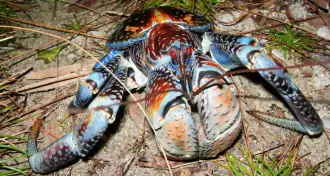
Coconut crab pinches like a lion, eats like a dumpster diver
Coconut crabs use their surprisingly powerful claw for more than cracking coconuts.
- Ecosystems
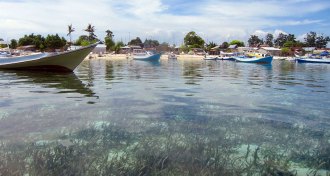
Seagrasses boost ecosystem health by fighting bad bacteria
Seagrasses might reduce bacteria levels in ocean water.
- Ecosystems
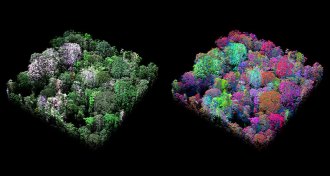
Mapping rainforest chemistry from the air reveals 36 types of forest
Aircraft analysis of tree chemicals reveals new biodiversity in the Peruvian rainforest.
- Oceans
Fleeting dead zones can muck with seafloor life for decades
Low-oxygen conditions can fundamentally disrupt seafloor ecosystems and increase carbon burial, new research shows.
- Animals
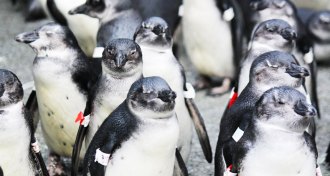
Young penguins follow false food cues
Juvenile African penguins are being trapped in barren habitats, led astray by biological cues that are no longer reliable because of human activity.
- Ecosystems
Zika virus ‘spillback’ into primates raises risk of future human outbreaks
Spillback of Zika virus into monkeys may complicate eradication efforts.
- Animals
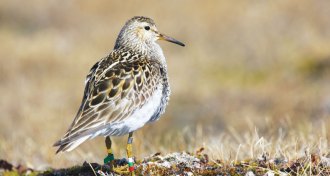
Pectoral sandpipers go the distance, and then some
Even after a long migration, male pectoral sandpipers keep flying, adding 3,000 extra kilometers on quest for mates.
- Animals
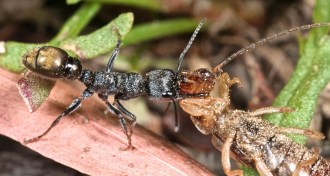
Desert ants look to the sky, rely on memory to navigate backward
Desert ants appear to use a combination of visual memory and celestial cues to make it back to the nest walking butt-first, researchers find.
- Animals
How desert ants navigate walking backward
Desert ants appear to use a combination of visual memory and celestial cues to make it back to the nest walking butt-first, researchers find.
- Ecosystems
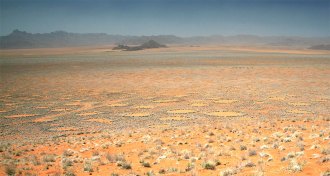
In debate over origin of fairy circles, both sides might be right
Odd bare spots called fairy circles in African grasslands might be caused by both termites and plants.
- Plants
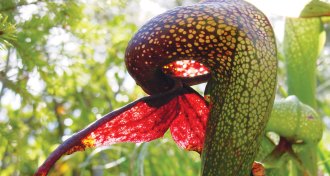
Meat-eating pitcher plants raise deathtraps to an art
The carnivorous California pitcher plant ensnares its dinner using a medley of techniques.
- Ecosystems
Long-ignored, high-flying arthropods could make up largest land migrations
Forget birds. 3.5 trillion insects, spiders and mites a year fly over the southern United Kingdom.