Environment
- Oceans
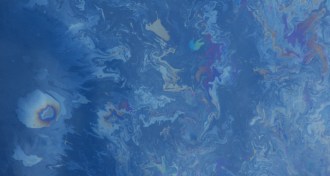
Deepwater Horizon methane lingered longer than thought
Microbes may not have consumed methane from the 2010 Deepwater Horizon oil spill as fast as previously thought.
- Environment
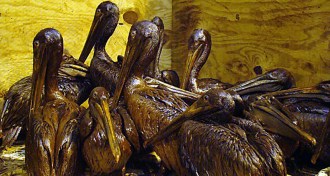
BP oil spill may have killed hundreds of thousands of birds
The 2010 Deepwater Horizon oil spill may have killed 600,000 to 800,000 coastal birds, new simulations suggest.
- Climate
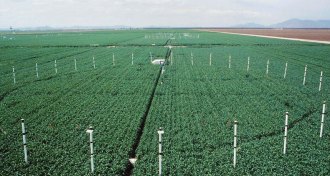
Crop nutrients may drop as carbon dioxide rises
Many staple grains and legumes pack 5 to 10 percent less iron, zinc and protein when grown at carbon dioxide levels expected midcentury.
- Animals
Some birds adapt to Chernobyl’s radiation
Some birds seem to fare well in and near the Chernobyl exclusion zone, but overall the nuclear disaster has been bad news for the region’s bird populations.
- Environment
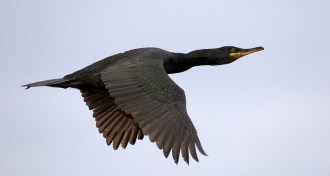
Prestige oil spill linked to drop in seabird chicks
European shag in colonies affected by the 2002 Prestige oil tanker spill produced fewer chicks than birds in oil-free colonies.
- Environment
Lead levels in ancient Rome’s water were high, but not toxic
Ancient Romans probably drank tap water with up to 100 times more lead than the levels found in local spring water.
- Health & Medicine
Triclosan aids nasal invasions by staph
The antimicrobial compound triclosan, commonly found in soaps and toothpaste, may help Staphylococcus aureus stick around.
- Environment
Artists’ sunsets may reveal past pollution
The colors artists used in the sunsets of their paintings may provide clues to what was circulating in the air hundreds of years ago.
- Environment
Handling receipts increases exposure to BPA
People who handle cash register receipts printed on thermal paper show notable exposure to bisphenol A.
- Environment
Legionnaires’ disease bacteria lurk in tap water
Found in nearly half of faucets, contamination could explain sporadic cases of disease.
- Oceans
Unknowns linger for sea mining
Scientists struggle to predict underwater digs’ effects on sea life.
- Environment
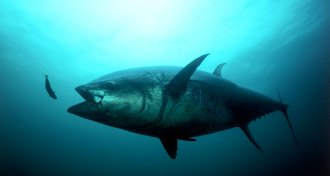
How oil breaks fish hearts
Hydrocarbons that spill into oceans stifle the beat of tuna cardiac cells.