Life
We summarize the week's scientific breakthroughs every Thursday.
- Ecosystems
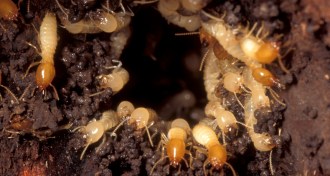
Feces in termites’ nests block biological pest control
Built-in poop nourishes bacteria that protect notorious Formosan species.
- Animals
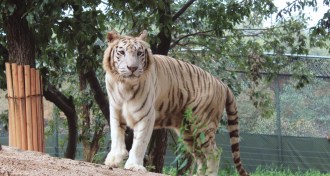
Tiger, lion and domestic cat genes not so different
Genomes of big felines provide insight into their evolution.
- Life
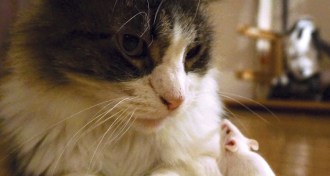
Mice lose cat fear for good after infection
Parasite carried by cats causes ill effects on rodents long after mice get over disease.
- Humans
Brain research goals laid out
NIH details priority areas, including improving imaging technology and mapping brain structures.
- Neuroscience
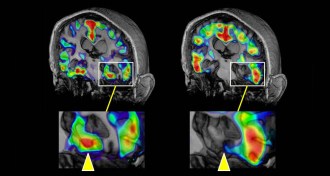
A beacon illuminates a key Alzheimer’s protein
In PET scans, researchers can now see tau, which accompanies amyloid in diseased brains.
- Humans
Chemical behind corked wine quashes other aromas
Old sock smell signals contamination but doesn't belong to TCA, study proposes.
- Genetics
Genes for body symmetry may also control handedness
Lefties and righties can thank same genes that put hearts on left side for hand dominance, study of thousands of people’s DNA suggests.
- Animals
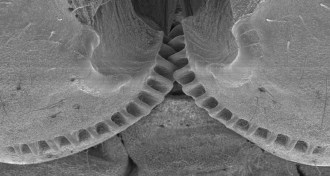
Young insect legs have real meshing gears
Tiny teeth on hiplike structures keep legs in sync, allowing juvenile planthoppers to jump.
- Animals
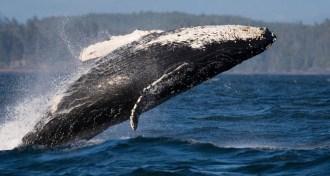
Humpbacks make a comeback in British Columbia
Whale numbers double at a feeding site in Canada.
- Microbes
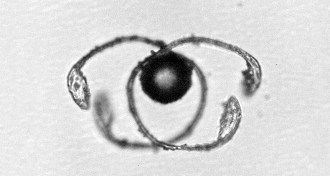
Horsetail spores don’t need legs to jump
Forget legs. A plant uses curly, humidity-controlled ribbons to make epic leaps.
- Animals
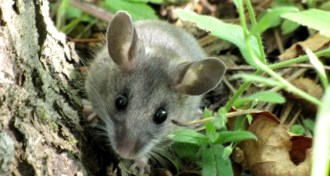
Avoiding feces may be ‘luxury’ wild mice can’t afford
For a mouse in the woods, finding any food at all may trump poopy locations.
- Life
Many genes in dolphins and bats evolved in the same way to allow echolocation
Widespread changes scattered across the genomes of distantly related species cooperated to craft the trait.