Microbes
- Life
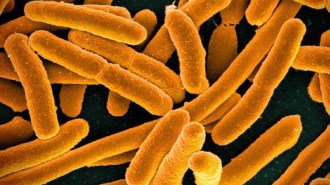
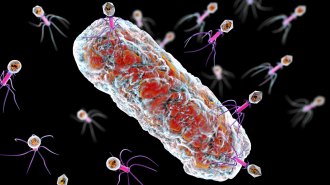
Some E. coli set off viral grenades inside nearby bacteria
A bacterial toxin called colibactin awakens dormant viruses embedded in bacterial DNA, but its ecological role is still unknown.
- Health & Medicine
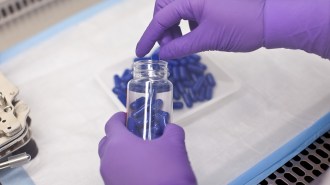
Fecal transplant pills helped some peanut allergy sufferers in a small trial
In a small study, a one-day fecal microbiota transplant allowed some peanut-allergic adults to safely eat one to two peanuts several months later.
- Life
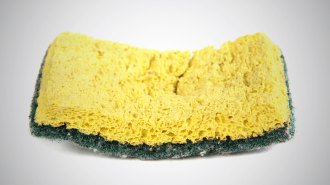
Why kitchen sponges are the perfect home for bacteria
Sponges are remarkably diverse hot spots for bacteria, in part because of the mixed-housing environment that the tools offer their tenants.
- Microbes
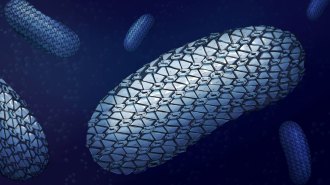
A chain mail–like armor may shield C. difficile from some antibiotics
Examining the structures that protect Clostridioides difficile from medicines could help researchers find new ways to target and kill the bacteria.
- Animals
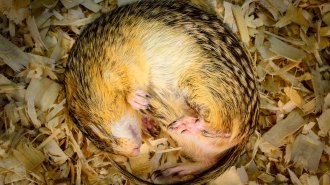
Gut microbes help some squirrels stay strong during hibernation
Microbes living in the critters’ guts take nitrogen from urea and put it into the amino acid glutamine, helping squirrels retain muscle in the winter.
- Animals
Urban animals may get some dangerous gut microbes from humans
Fecal samples from urban wildlife suggest human gut microbes might be spilling over to the animals. The microbes could jeopardize the animals’ health.
- Chemistry
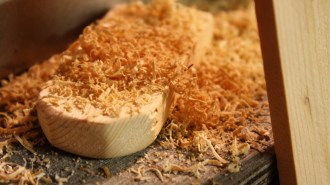
A disinfectant made from sawdust mows down deadly microbes
Antimicrobial molecules found in wood waste could be used to make more sustainable, greener disinfectants.
- Microbes
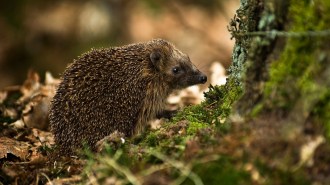
Drug-resistant bacteria evolved on hedgehogs long before the use of antibiotics
A standoff between bacteria and antibiotic-producing fungi living on hedgehogs may have led to the rise of one type of MRSA some 200 years ago.
- Microbes
A bacteria-virus arms race could lead to a new way to treat shigellosis
As bacteria that cause shigellosis evolve to escape a virus, the microbes may become less deadly, a hopeful sign for “phage therapy.”
- Animals
Cicada science heats up when Brood X emerges. 2021 was no exception
Mating mobs of big, hapless, 17-year-old cicadas made for a memorable spring in the Eastern United States
- Animals
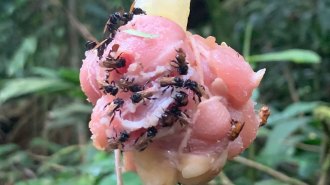
Gut bacteria let vulture bees eat rotting flesh without getting sick
Acid-producing bacteria in the gut of vulture bees let these “weirdos of the bee world” safely snack on animal carcasses.
- Life
Fungi may be crucial to storing carbon in soil as the Earth warms
Fungi help soil-making bacteria churn out carbon compounds that are resilient to heat, keeping those compounds in the ground, a study suggests.