All Stories
- Neuroscience
Making a mistake can put your brain on ‘pause’
When there’s not much time to recover, one error can lead to another.
- Science & Society
Online reviews can make over-the-counter drugs look way too effective
Online patient reviews put a far more misleading spin on medications than clinical trials do.
- Climate
Changing climate could worsen foods’ nutrition
Climate change could aggravate hidden hunger by sapping micronutrients from soils and plants, reducing nutrition in wheat, rice and other crops.
- Quantum Physics
Quantum counterfeiters might succeed
Physicists demonstrate security issue with quantum cash.
- Astronomy
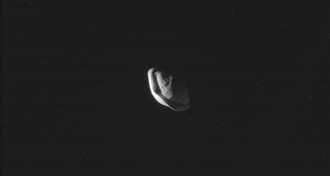
In new Cassini portraits, Saturn’s moon Pan looks like pasta
Photographs taken this week by NASA’s Cassini spacecraft provide a closer view of Saturn’s small moon Pan, which resembles ravioli.
- Astronomy
Saturn’s moon Pan looks like ravioli
Photographs taken this week by NASA’s Cassini spacecraft provide a closer view of Saturn’s small moon Pan, which resembles ravioli.
- Genetics
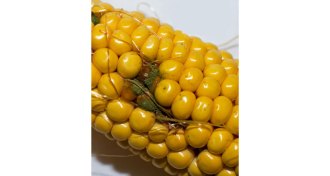
How to grow toxin-free corn
Corn genetically altered to produce specialized molecules may prevent a fungus from tainting it with carcinogenic toxins.
- Physics
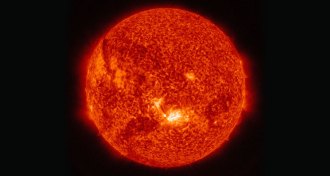
A slowdown at the sun’s surface explained
Light escaping from the sun could slow the spinning of its surface layers.
- Neuroscience
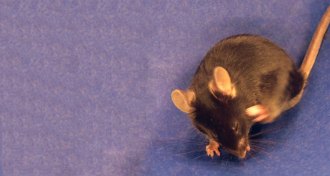
Scratching is catching in mice
Contagious itching spreads by sight mouse-to-mouse, and scientists have identified brain structures behind the phenomenon.
- Genetics
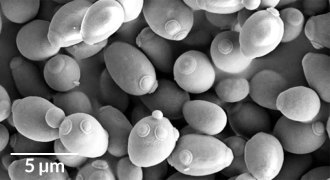
Scientists move closer to building synthetic yeast from scratch
Scientists have created five more synthetic yeast chromosomes.
- Earth
Warming soils may belch much more carbon
New measurements suggest soils below 15 centimeters deep could play a sizable role in boosting carbon emissions as the planet warms.
- Animals
De-extinction probably isn’t worth it
Diverting money to resurrecting extinct creatures could put those still on Earth at risk.