Feature
-
Science & SocietyScience slowdown
The recent federal government shutdown, which furloughed more than 800,000 government workers and may have cost the nation as much as $24 billion, has sent ripples through the nation’s scientific research enterprise.
By Beth Mole -
NeuroscienceThe Inconstant Gardener
Microglia, the same immune cells that help sculpt the developing brain, may do damage later in life .
By Susan Gaidos -
Health & MedicineOld drug, new tricks
Metformin, cheap and widely used for diabetes, takes a swipe at cancer.
By Nathan Seppa -
Health & MedicineWaiting to exhale
Scientists sift through the chemical potpourri that escapes our lungs for new ways to diagnose disease.
By Laura Beil -
NeuroscienceMind to motion
Brain-computer interfaces promise new freedom for the paralyzed and immobile.
By Meghan Rosen -
AstronomyQuiet maximum
By almost any measure, this solar maximum has been pathetic. No more than 67 sunspots have appeared in a month so far; at the last peak, in 2000, that number was above 120.
-
PsychologyThe bright side of sadness
Bad moods can have unappreciated mental upsides.
By Bruce Bower -
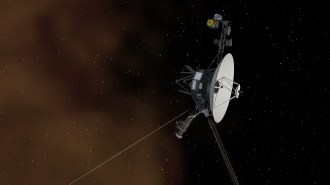
AstronomyVoyager’s view
Though the 1970s-era space probe has finally slipped into an interstellar realm, in some senses it is still very much within the bounds of the solar system.
By Andrew Grant -
TechMemory upgrade
The demands of modern computing call for a seismic shift in data storage and retrieval.
By Andrew Grant -
EarthDeep network
The NEPTUNE observatory — a ring of six underwater research stations connected to the Internet with fiber optic cables — is the first online observatory to brave the depths of the abyss.
-
LifeDangerous Digs
By properly managing a tumor cell’s microenvironment, cancer researchers are making cancer something people live with, not die from.
-
EnvironmentCool Idea
While nations concede a pressing need for attacking carbon dioxide emissions, other pollutants offer quicker paybacks.
By Erin Wayman