Technically Fiction
- Health & Medicine
What Spider-Man gets right — and wrong — about turning off superpowers
In 'Spider-Man: Brand New Day,' Peter Parker devises a superpower inhibitor based on a real therapy using RNA.
- Neuroscience
A photographic memory is wishful thinking
In fiction, photographic memories crack the case or save the day. But our brains can’t hold on to everything — and that’s a good thing.
- Artificial Intelligence
AI is not ready to fly solo in space
In sci-fi, AI can navigate the unknowns and — ideally — keep human travelers safe. But it’s not intelligent enough to do that yet.
- Science & Society
How real is the Cyclops in The Odyssey?
The iconic one-eyed monster coming to movie screens in July in The Odyssey might have more in common with tiny water critters than with humans.
- Earth
Never-ending storms make for good plot twists. Could they plague Earth?
While the thunderstorms in The Legend of Zelda defy physics, plenty of places on Earth experience extreme weather.
- Life
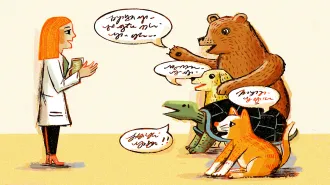
Talking dogs and chatty cats could one day ‘speak’ in our language
Advances in decoding animal sounds might someday make animal translators a possibility.
- Earth
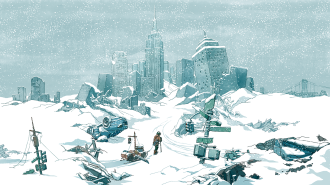
To make a ‘Snowball Earth,’ sci-fi moves fast. Geology is far slower
The Day After Tomorrow, Snowpiercer, Snowball Earth: Such end-of-days visions of a frozen Earth are fantastical … but can contain a snowflake of truth.
- Science & Society
Project Hail Mary made us wonder how to survive a trip to interstellar space
We can take some clues from hibernation and cryogenics, but humans aren't yet built for that kind of deep sleep.
- Physics
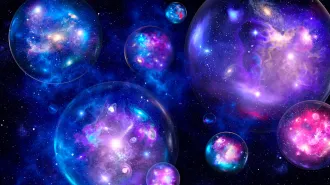
Physics theories about the multiverse are stranger than fiction
Cosmology and quantum physics both offer tantalizing possibilities that we inhabit just one reality among many. But testing that idea is challenging.
- Physics
How to levitate objects sans magic
It’s possible to defy gravity using sound waves, magnets or electricity, but today’s methods can’t hoist heavy items high in the sky.
- Physics
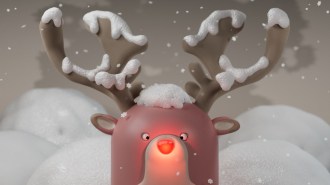
Here’s how Rudolph’s light-up nose might be possible
Simple chemistry could give the reindeer his famously bright snout. But physics would make it look different colors from the ground.
- Life
We all have a (very tiny) glow of light, no movie magic needed
Normal cellular processes in living things — from germinating plants to our own cells — create biophotons, though escaping light isn’t visible to us.