Animals
Sad or afraid? Dogs may be able to read your face
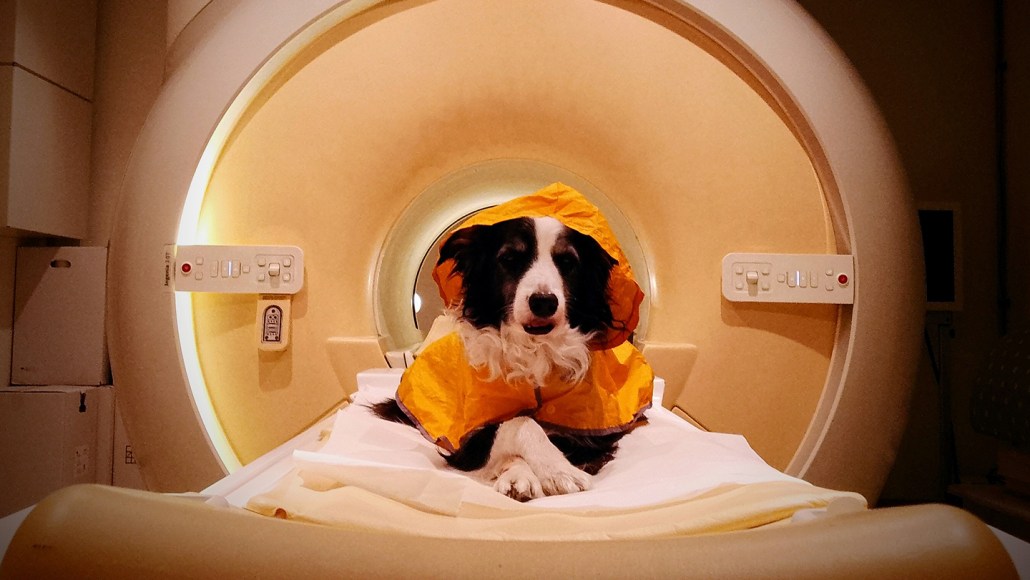
A new brain-imaging study suggests that dogs may be able to distinguish between certain negative human emotions just by looking at people’s faces.
By Meghan Rosen
We summarize the week's scientific breakthroughs every Thursday.
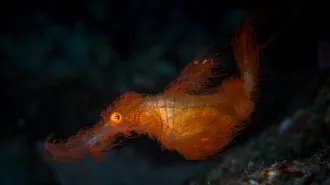
Found near Australia, Solenostomus snuffleupagus is a shaggy swimmer that closely resembles Mr. Snuffleupagus from Sesame Street.
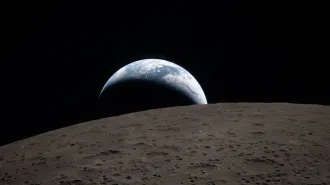
As NASA’s Orion spacecraft slipped behind the farside of the moon, the astronauts captured the crescent of Earth setting over the moon’s horizon.
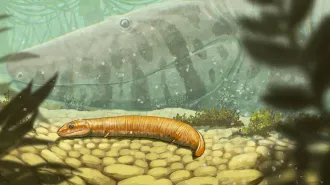
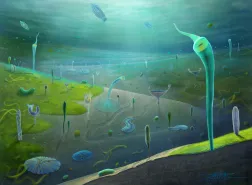
Hundreds of Chinese fossils from the dawn of animal evolution may change how scientists think of this critical period of prehistory.
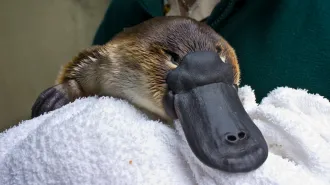
Platypuses are the first mammals known to have hollow melanosomes, pigment-bearing structures found in the hair of many animals.
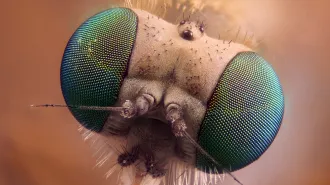
A compilation of 100 examples of biological tilings shows how repeated natural motifs enhance strength, flexibility and other key functions.
From blaming the victim to replying "I have no interest in your life" to suicidal thoughts, AI chatbots can respond unethically when used for therapy.
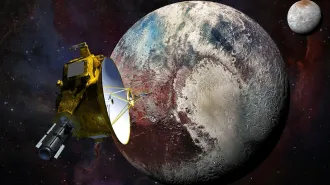
Over the past decade, researchers have been puzzling through Pluto’s mysteries. Meanwhile, the New Horizons probe heads for interstellar space.
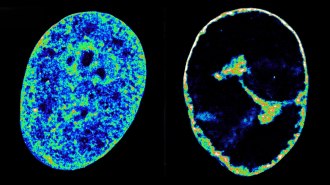
New imaging tools reveal how within an hour of infection, the virus begins to alter our chromosomes to kick-start its own replication.
The Proba-3 spacecraft succeed at creating solar eclipses, kicking off a two-year mission to study the sun’s mysterious outer atmosphere, the corona.