Health & Medicine
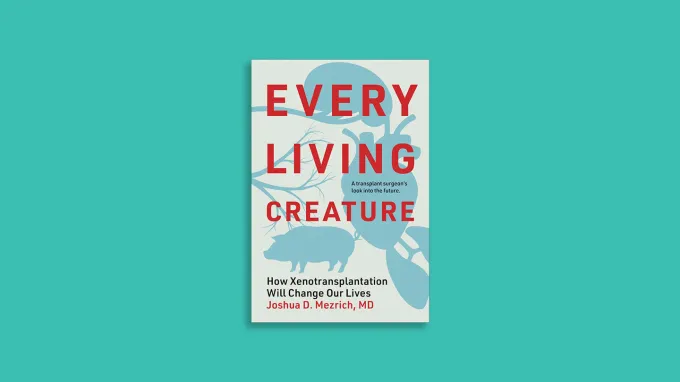
Are pig organs the future of transplantation?
Each year, thousands of people in the U.S. die waiting for donated organs. A new book shares how organs from other species could change that.
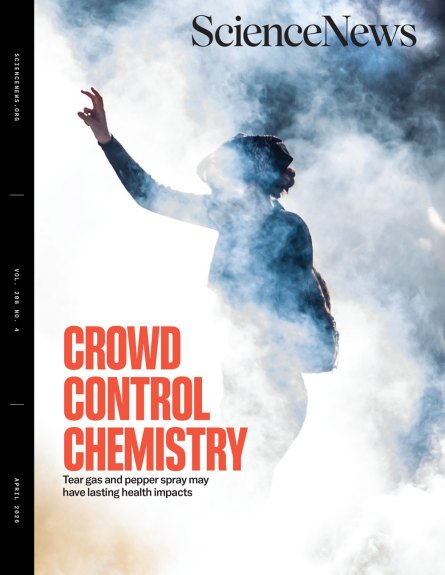
The chemicals are widely used for crowd control, but their long-term health risks are poorly understood.
Each year, thousands of people in the U.S. die waiting for donated organs. A new book shares how organs from other species could change that.
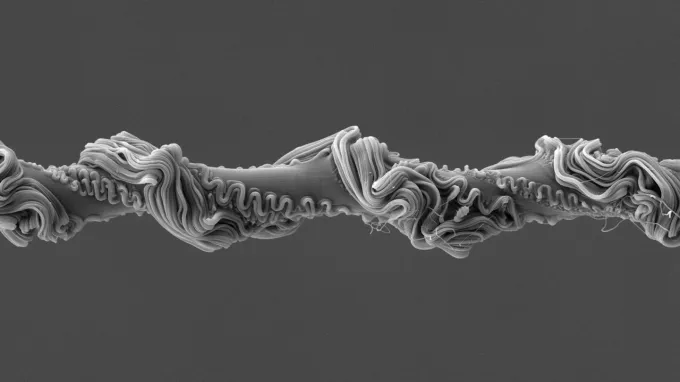
Rufous net-casting spiders can tune the stiffness and elasticity of their webs thanks to loops of silk, scanning electron microscope images reveal.
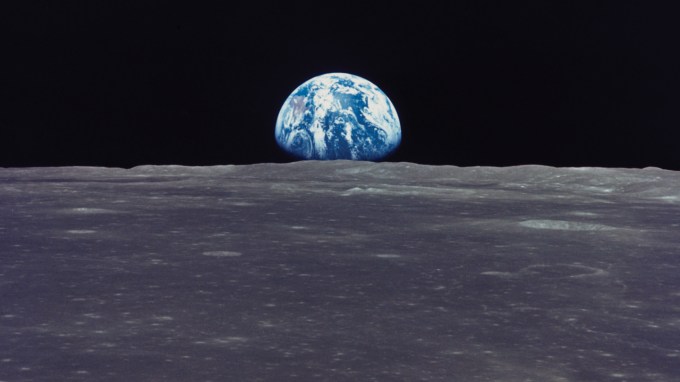
Space exploration can bring people together and reflect deep societal divisions.

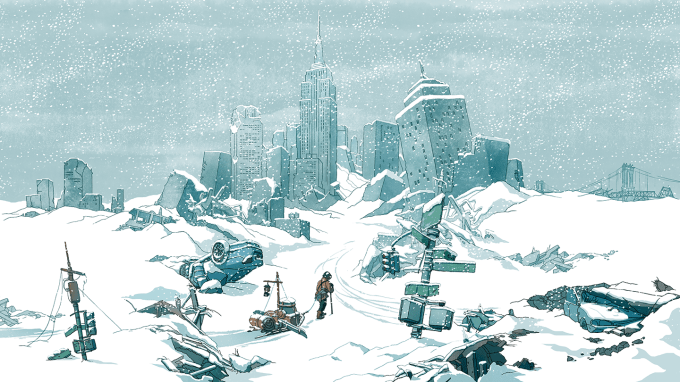
The Day After Tomorrow, Snowpiercer, Snowball Earth: Such end-of-days visions of a frozen Earth are fantastical … but can contain a snowflake of truth.
Experimenters hope to harness the powerful effects of medications such as Ozempic and Wegovy at doses smaller than those studied most.
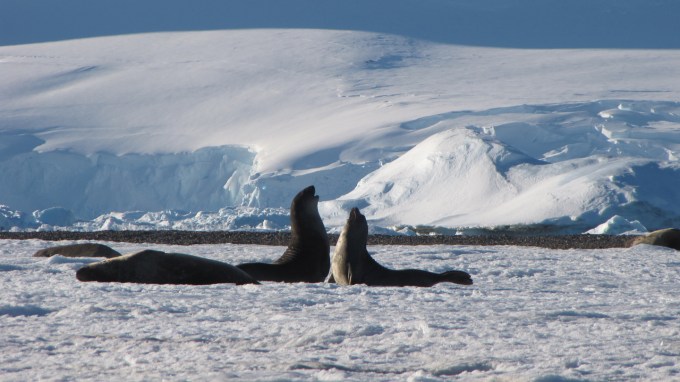
Antarctic Peninsula projections show accelerating ice loss, warming oceans and global sea level impacts tied to greenhouse gas emissions.
Flower designs on 8,000-year-old Mesopotamian pots reveal a “mathematical knowledge” perhaps developed to share land and crops, archaeologists say.
After years of confusion, a new study confirms the proton is tinier than once thought. That enables a test of the standard model of particle physics.
The tool helps scientists understand how single-letter mutations and distant DNA regions influence gene activity, shaping health and disease risk.
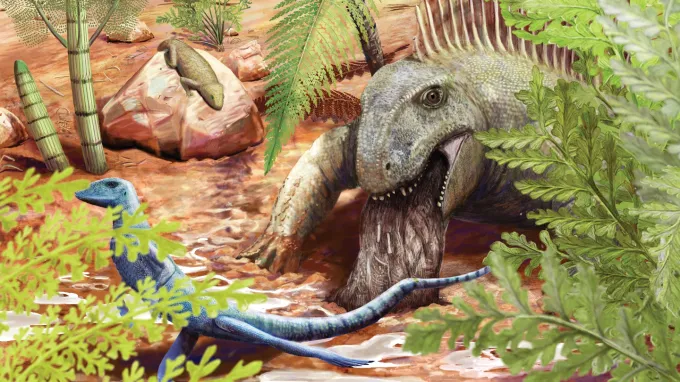
The regurgitated material from before the time of dinosaurs provides a rare window into the feeding habits of a prehistoric hunter.
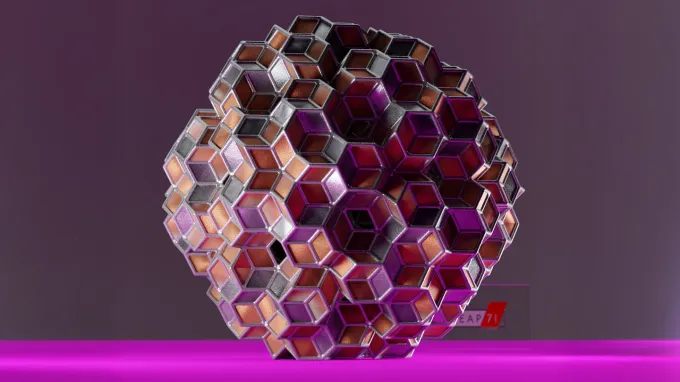
Quasicrystals are orderly structures that never repeat. Scientists just showed they can exist in space and time.
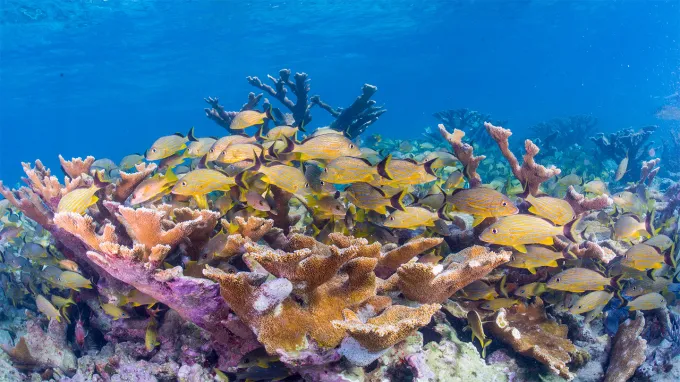
Shorter food chains could mean reefs are less able to weather changes in food availability, threatening an already vulnerable ecosystem.
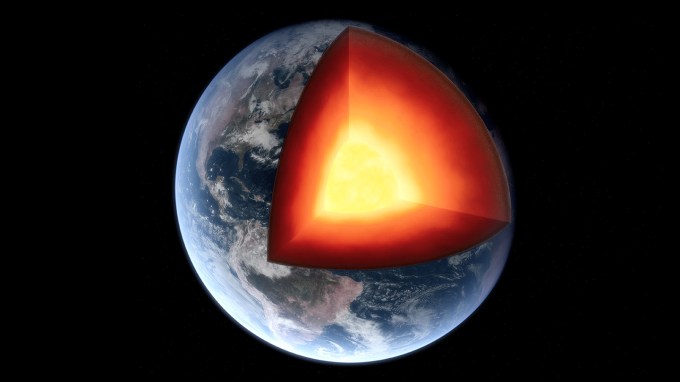
Hydrogen reserves in Earth’s core large enough to supply at least nine oceans may influence processes on the surface today.
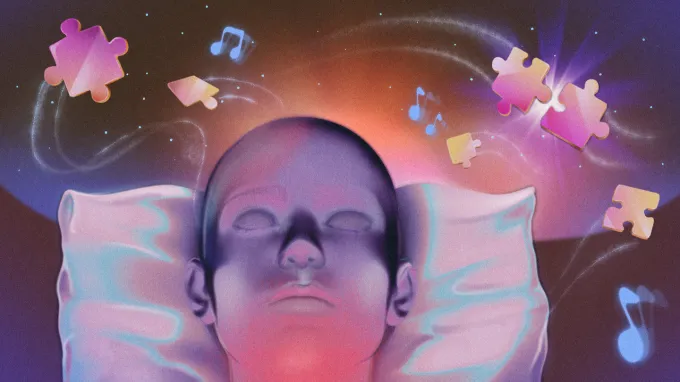
Lucid dreamers who heard puzzle-linked soundtracks while sleeping were more likely to solve those unsolved problems the next day.
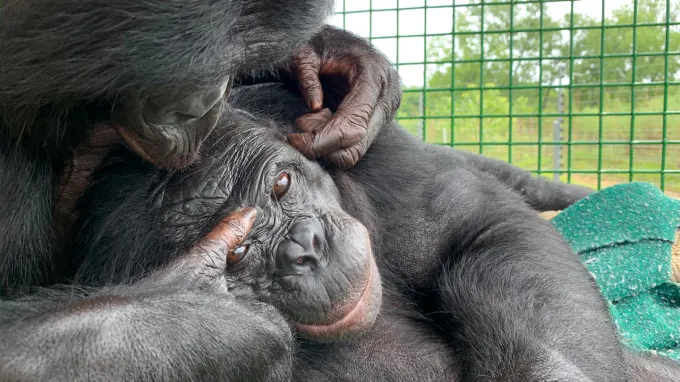
Apes, like humans, are capable of pretend play, challenging long-held views about how animals think, a new study suggests.
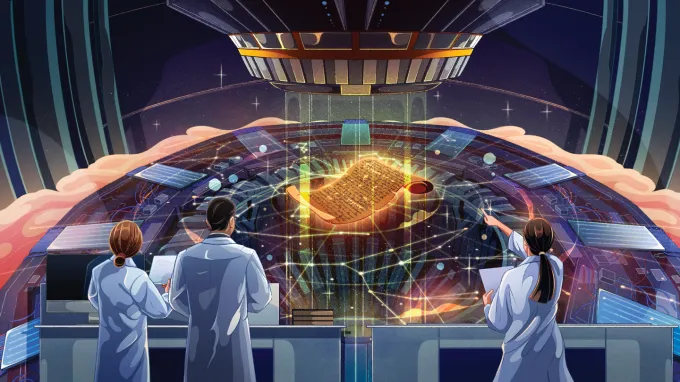
Researchers are using X-rays to discover invisible markings left on ancient parchment containing information from the Greek astronomer Hipparchus.
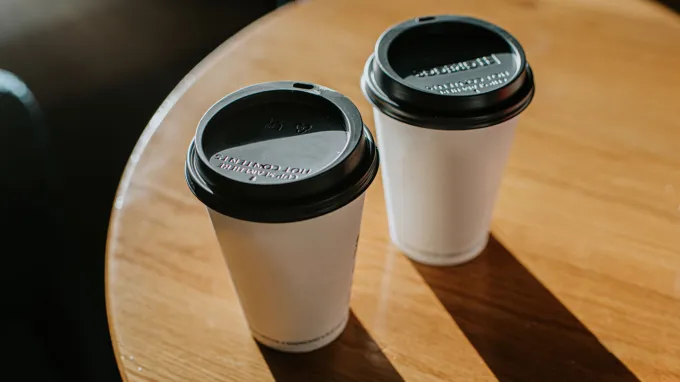
A long-term observational study found a link between the amount of tea and caffeinated coffee people drank and the risk of dementia.
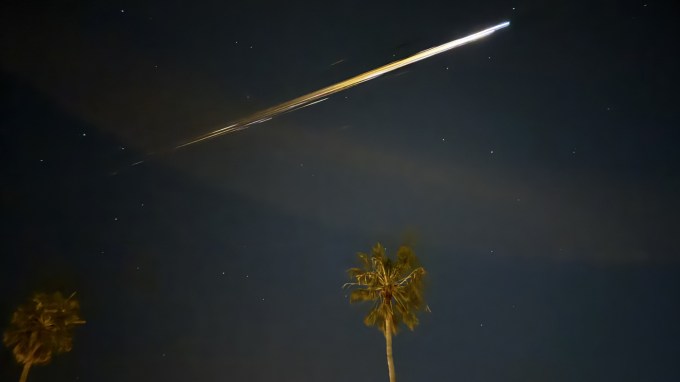
As the threat of falling spacecraft increases, using earthquake sensors to detect the effects of their sonic booms could better map trajectories.
Solve the math puzzle from our April 2026 issue, where we plant floras to celebrate an upcoming nuptial.