Animals
A new book finds parenting inspiration in the animal kingdom
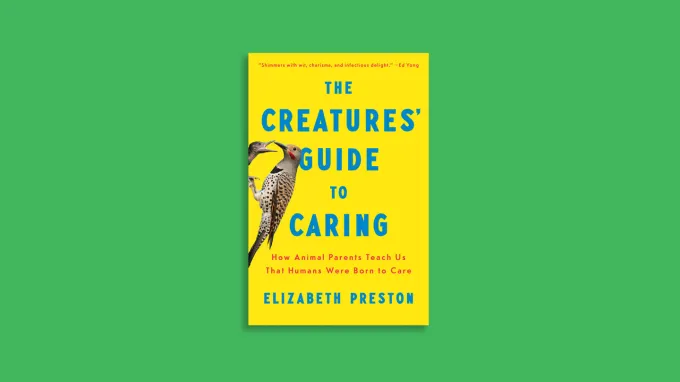
In The Creatures’ Guide to Caring, science journalist Elizabeth Preston looks to the animal kingdom to explore what it means to be a good parent.
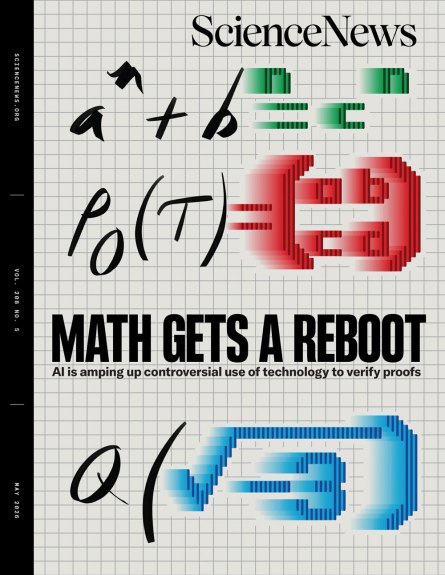
The painstaking process of formalization to verify proofs is starting to surge thanks to AI. That could radically change the way people do math.
In The Creatures’ Guide to Caring, science journalist Elizabeth Preston looks to the animal kingdom to explore what it means to be a good parent.
Superluminous supernovas are the brightest stellar explosions in the universe. Astronomers may have found a mechanism that can trigger these events.
At-home breath tests could reveal insights about gut health, though their ability to assess food intolerances is not yet clear.

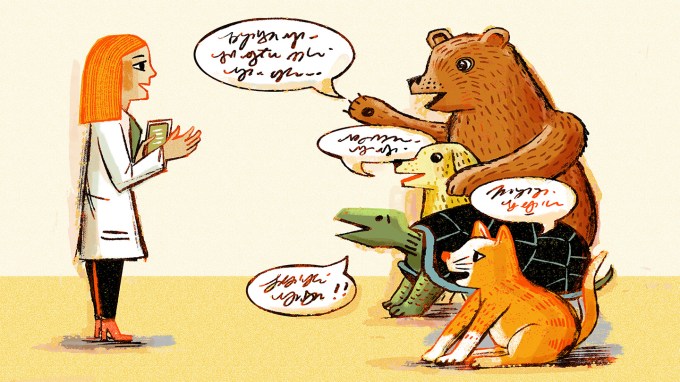
Advances in decoding animal sounds might someday make animal translators a possibility.
A sudden release of pressure allowed a copper-based compound to superconduct at the highest temperature yet for atmospheric pressure, a study claims.
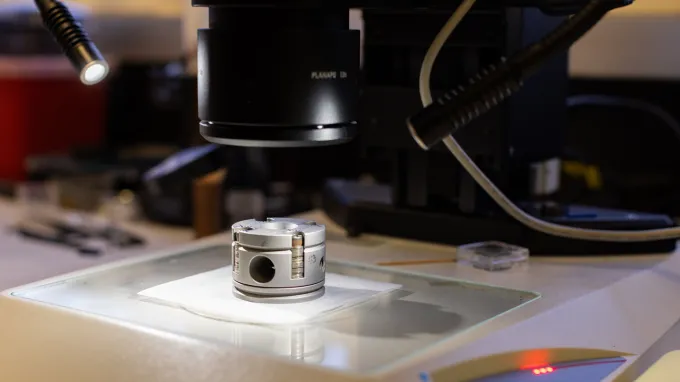
A robotic hand with fingernail-like tips lets robots peel fruit, open lids and pick up thin, flat objects with more precise, human-like dexterity.
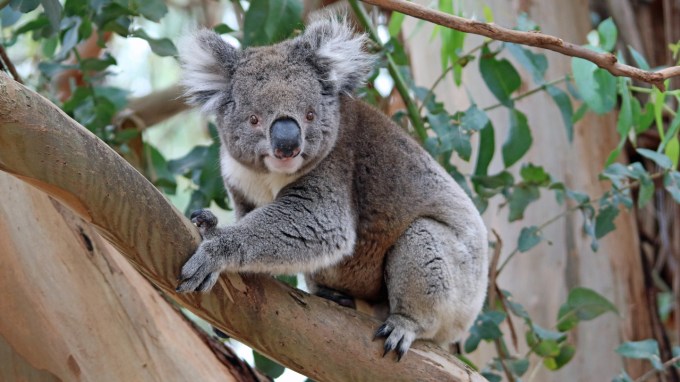
As koalas in southern Australia have grown from a few hundred to almost half a million, the marsupials show signs of regaining lost genetic variation.
A widely used method to calculate sea level rise may have missed up to a century of change, so the risks could hit home for millions sooner than thought.
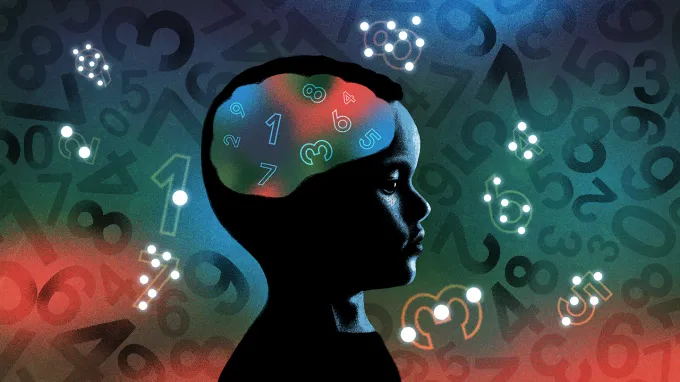
Kids with math learning disabilities process number symbols differently than quantities shown as dots — and it shows up in MRIs.
Life needs nutrients like nitrogen and phosphorus. But without the right balance of oxygen, these elements get locked away in planets’ cores.
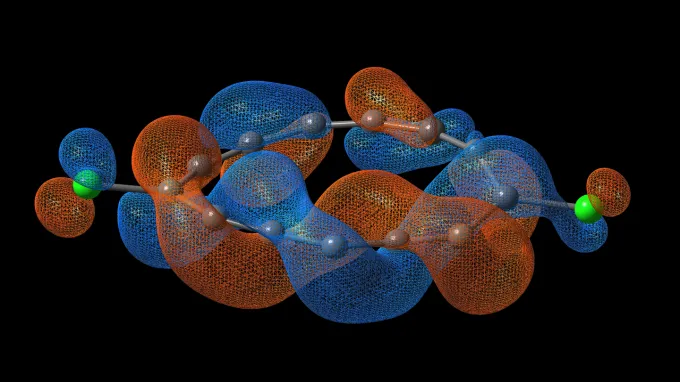
A molecule made of carbon and chlorine is half as twisty as the paper loops common in math classes.
Teens need eight to 10 hours of sleep each night. A large majority get less than that, according to a national survey of U.S. high school students.
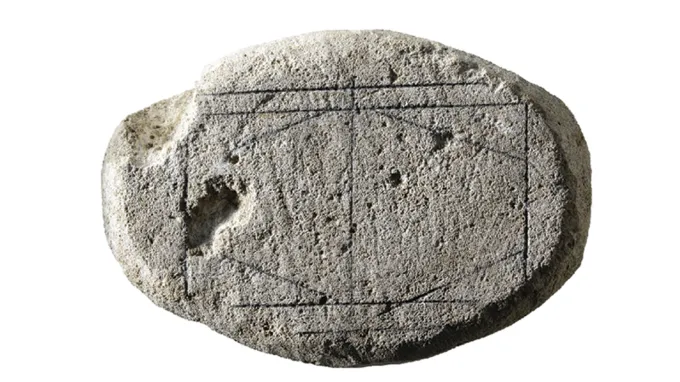
Researchers used AI-driven virtual players to test more than 100 rule sets, matching gameplay to wear patterns on a Roman limestone board.
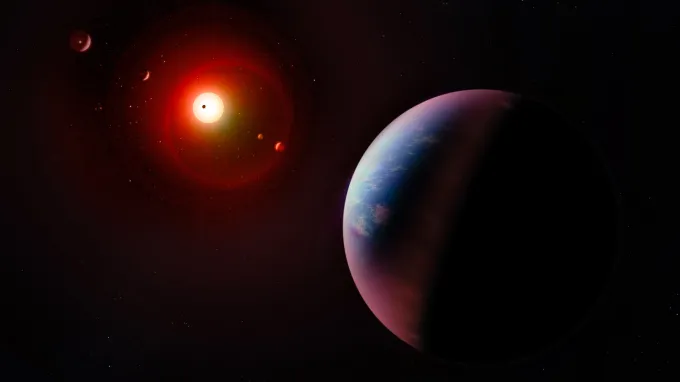
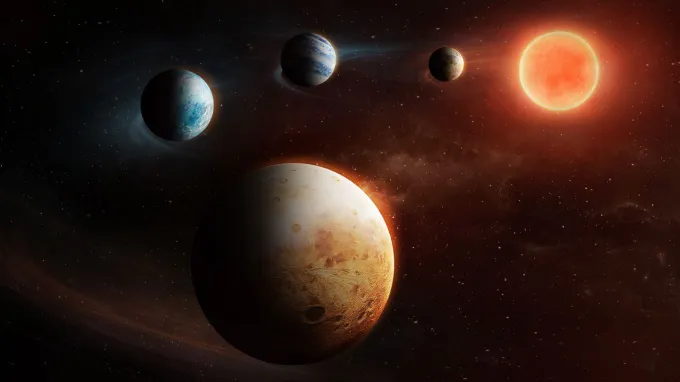
A rocky exoplanet in the LHS 1903 system defies planet formation models, hinting that gravitational upheaval reshaped the red dwarf’s four worlds.
Sure, playing video game is fun. But the ability of tiny brain organoids to pick up a skill could provide insight into how healthy brains work.
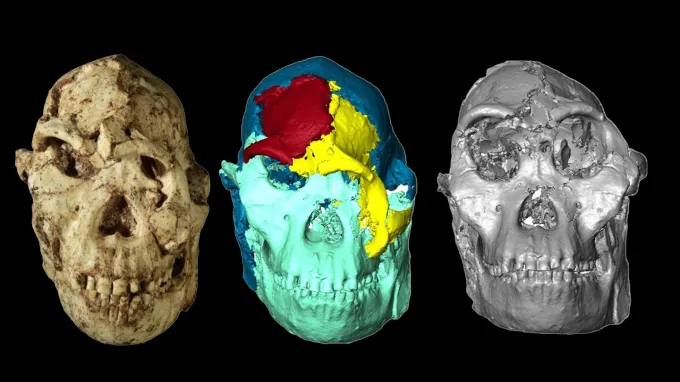
A new digital reconstruction of the face of an early Australopithecus specimen helps add details about the origins of our own species.
“Zen digesters” rarely fart. “Hydrogen hyperproducers” fart a lot. Scientists are investigating what is typical.
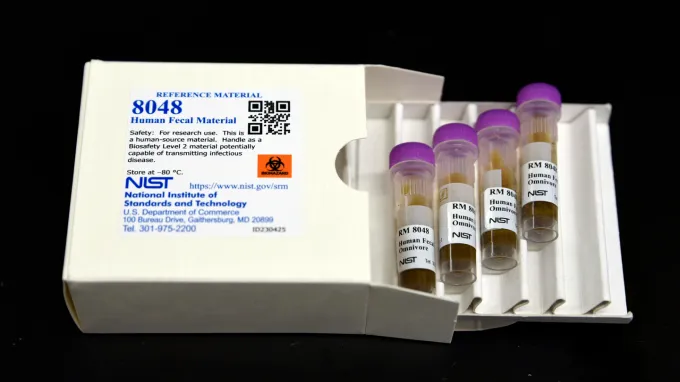
Seven firms reported inconsistent results on the same sample, some over multiple tests. These gut microbe discrepancies could have health consequences.
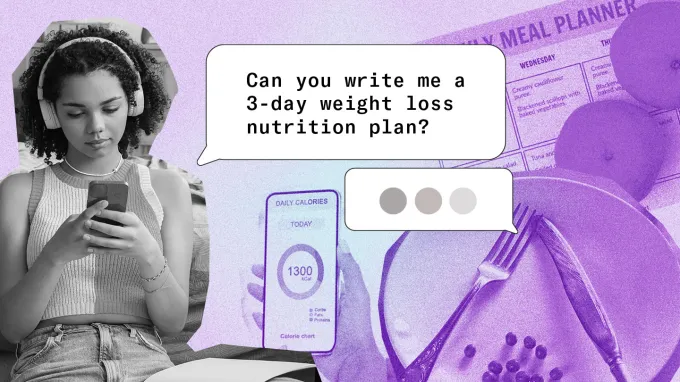
AI-generated meal plans for fictional teens cut an entire meal’s worth of calories and carbs while overemphasizing protein and fats, a new study reports.
Nearly one third of sharks studied near the Bahamas’ Eleuthera Island were found to have caffeine, painkillers and other drugs in their bloodstreams.
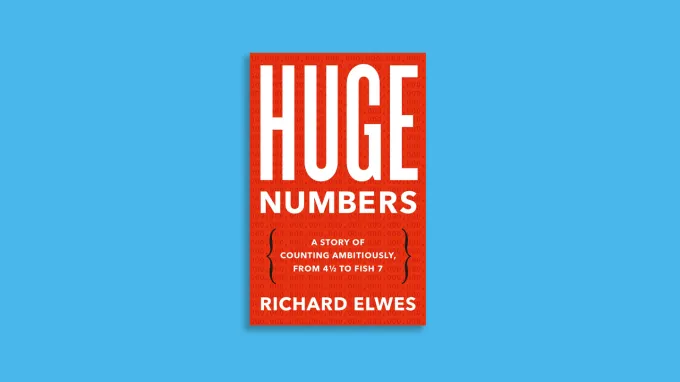
Mathematician Richard Elwes surveys googology, the study of enormous numbers, in a new book.
Solve the crossword from our May 2026 issue, in which we expand the way we see the universe.