Uncategorized
- Tech
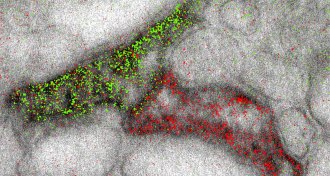
New technique shows cells’ molecules in color
A new electron microscopy technique reveals cellular details in multicolor
- Neuroscience
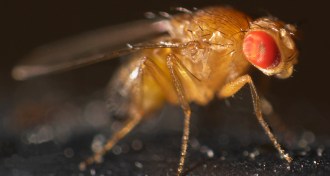
Shape-shifting molecule aids memory in fruit flies
A prionlike protein may store long-term memories in fruit flies, a new study suggests.
- Genetics
Cancer mutation patterns differ in smokers, nonsmokers
The DNA of smokers shows more damage than the DNA of nonsmokers who have the same kind of cancer.
- Climate
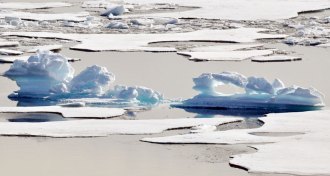
Human CO2 emissions put Arctic on track to be ice-free by 2050
Sea ice is shrinking by about three square meters for each metric ton of carbon dioxide emitted, new research suggests.
- Health & Medicine
50 years later, vaccines have eliminated some diseases
Vaccines have come a long way in 50 years.
- Tech
Artificial intelligence needs smart senses to be useful
Editor in chief Eva Emerson discusses the future of artificial intelligence.
- Astronomy
Readers unimpressed by Earth’s newest neighbor
Exoplanet fatigue, runaway fish and more in reader feedback.
- Tech
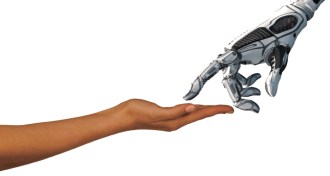
For robots, artificial intelligence gets physical
Physical intelligence makes robots able to sense of the world around them.
- Archaeology
People settled Australia’s rugged interior surprisingly early
Ancient colonists Down Under crossed the continent not long after arriving around 50,000 years ago.
- Genetics
Gene gives mice and chipmunks their pinstripes
A recycled regulator paints on rodents’ light stripes.
- Genetics
Genetic variant protects against rash of autoimmune diseases
A natural tweak in the TYK2 protein strikes a balance between weak and overactive immune systems.
- Physics
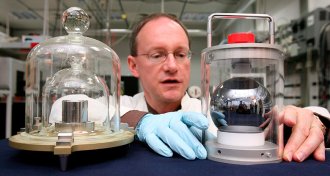
Units of measure are getting a fundamental upgrade
New units based on fundamental properties of the universe will make measurements more precise.