The orientation of these dunes in north-central Nebraska provide a clue that the climate there a millennium ago was much different than it is today. The Nebraska Sand Hills have been frozen in place by vegetation for 800 to 1,000 years, says David B. Loope, a geologist at the University of Nebraska in Lincoln.
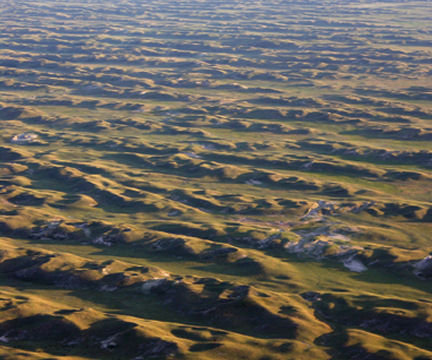
The 12-to-15-meter-tall dunes, which run from west-northwest to east-southeast, couldn’t have been formed by modern wind patterns, which bring plant-nurturing moisture to the region from the Gulf of Mexico in the springtime.