Science in the News
- Health & Medicine
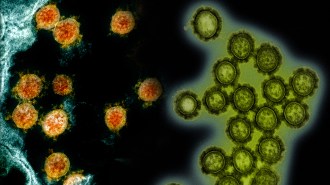
What will happen when COVID-19 and the flu collide this fall?
As the Northern Hemisphere braces for a coronavirus-flu double hit, it’s unclear if it’ll be a deadly combo or one virus will squeeze out the other.
- Environment
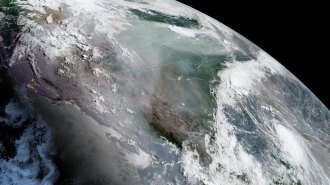
What we know and don’t know about wildfire smoke’s health risks
As wildfires become more frequent and severe in California, Oregon and throughout the West Coast, concerns rise about harmful air pollution.
- Earth
What’s behind August 2020’s extreme weather? Climate change and bad luck
On top of a pandemic, the United States is having an epic weather year — a combination of bad luck and a stage set by a warming climate.
- Health & Medicine
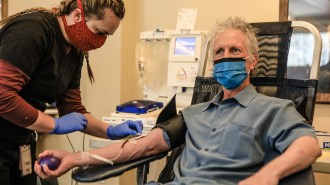
COVID-19 plasma treatments may be safe, but we don’t know if they work
Blood plasma from COVID-19 survivors can be used to treat hospitalized patients, FDA says, but researchers question how well it works.
- Health & Medicine
What we can learn from how a doctor’s race can affect Black newborns’ survival
When Black physicians attended Black newborns after a hospital birth, it reduced the mortality gap between Black and white babies.
- Health & Medicine
New treatments aim to treat COVID-19 early, before it gets serious
Some new drugs that may stop the coronavirus from getting into cells, or from reproducing itself, may treat the illness as soon as it’s diagnosed.
- Health & Medicine
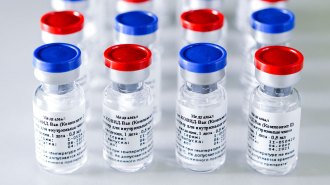
Here’s what we know about Russia’s unverified coronavirus vaccine
Despite incomplete testing, Sputnik V may be the first COVID-19 vaccine given to the general public, rolling out initially to teachers and doctors.
- Health & Medicine
Five big questions about when and how to open schools amid COVID-19
Researchers weigh in on how to get children back into classrooms in a low-risk way.
- Health & Medicine
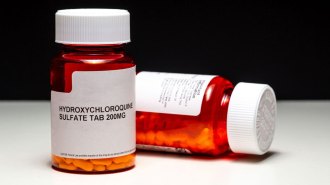
Hydroxychloroquine can’t stop COVID-19. It’s time to move on, scientists say
Hydroxychloroquine doesn’t work as antiviral or a treatment for COVID-19, an abundance of scientific data suggest.
- Health & Medicine
A COVID-19 vaccine may come soon. Will the blistering pace backfire?
Speed is essential, but not at the expense of safety and efficacy, experts warn. Sacrificing either could damage public trust.
- Science & Society
There’s little evidence showing which police reforms work
When stories of police violence against civilians capture public attention, reforms follow despite a dearth of hard data quantifying their impact.
- Health & Medicine
What you need to know about the airborne transmission of COVID-19
More than 200 experts have implored the World Health Organization to acknowledge that the coronavirus can spread through the air.