251 results
251 results for: Octopus
- Animals
How do we know what emotions animals feel?
Animal welfare researchers are studying the feelings and subjective experiences of horses, octopuses and more.
- Oceans
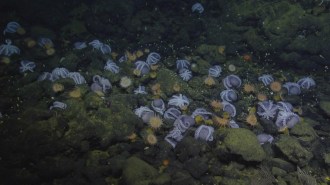
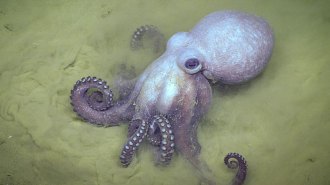
Some deep-sea octopuses aren’t the long-haul moms scientists thought they were
Off California’s coast, some octopuses lay eggs in the warmer water of geothermal springs in the “Octopus Garden,” speeding up their development.
- Animals
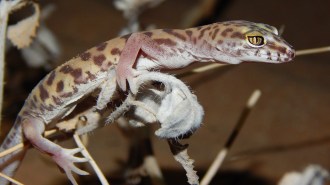
How a western banded gecko eats a scorpion
New high-speed video details how usually mild-mannered geckos shake and incapacitate their venomous prey.
- Paleontology
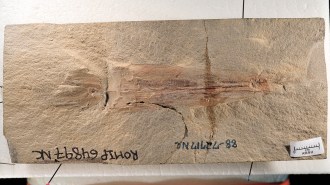
Scientists are arguing over the identity of a fossilized 10-armed creature
An ancient cephalopod fossil may be the oldest ancestor of octopuses, but the interpretation hinges on the identification of one feature.
- Neuroscience
‘Feeling & Knowing’ explores the origin and evolution of consciousness
In the book Feeling & Knowing, neuroscientist Antonio Damasio suggests that consciousness evolved as a way to keep essential bodily systems steady.
-
- Animals
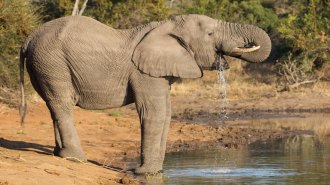
Newly recognized tricks help elephants suck up huge amounts of water
New ultrasound imaging reveals what goes on inside a pachyderm’s trunk while feeding. It can snort water at the rate of 24 shower heads.
- Animals
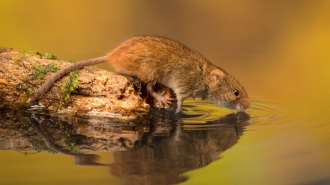
Mammal brains may use the same circuits to control tongues and limbs
When mice drink water, they make corrective motions with their tongues that resemble similar adjustments made by primates when they grab for objects.
- Animals
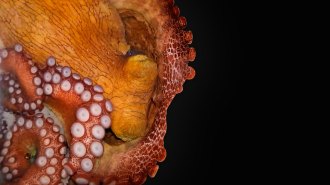
Octopus sleep includes a frenzied, colorful, ‘active’ stage
Four wild cephalopods snoozing in a lab had long stretches of quiet napping followed by brief bursts of REM-like sleep.
- Animals
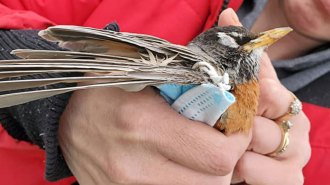
Discarded COVID-19 PPE such as masks can be deadly to wildlife
From entanglements to ingestion, two biologists are documenting the impact of single-use masks and gloves on animals around the world.
- Paleontology
Predatory octopuses were drilling into clamshells at least 75 million years ago
Holes found in ancient clams reveal that octopuses have been drilling into their prey for at least 25 million years longer than was previously known.
- Materials Science
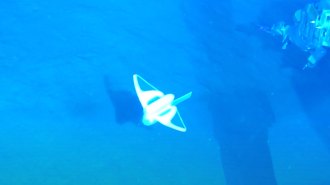
This soft robot withstands crushing pressures at the ocean’s greatest depths
An autonomous robot that mimics the adaptations of deep-sea snailfish to extreme conditions was successfully tested at the bottom of the ocean.