Archaeology
Pompeii’s survivors shine in a new documentary series
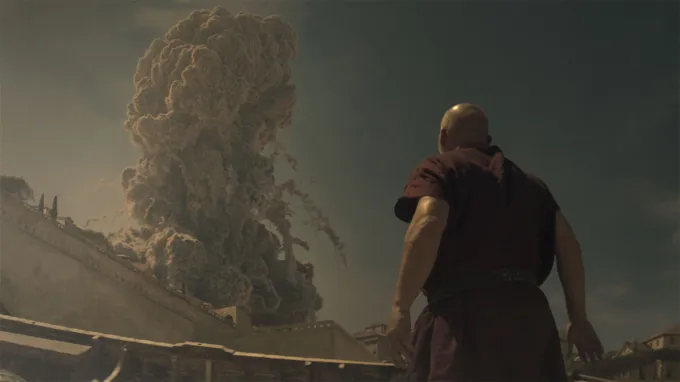
Hosted by actor Tom Hiddleston, Pompeii: Out of Time mixes facts and fiction to bring three real ancient Romans to life.

Scientists are largely clueless about the origins of static electricity. A quirky group of researchers aims to change that.
Hosted by actor Tom Hiddleston, Pompeii: Out of Time mixes facts and fiction to bring three real ancient Romans to life.
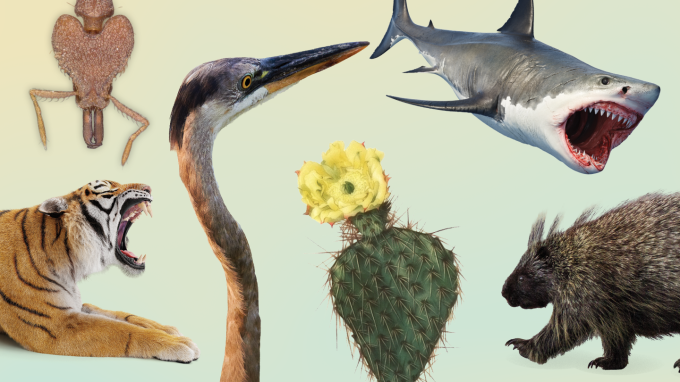
A study of 143 piercing tools, from tusks to love darts, finds they trade off piercing ability for durability. And no one shape wins out.
School device use links with lower test scores and distractions abound. But reversing the entrenched pandemic pivot to screens will be hard.

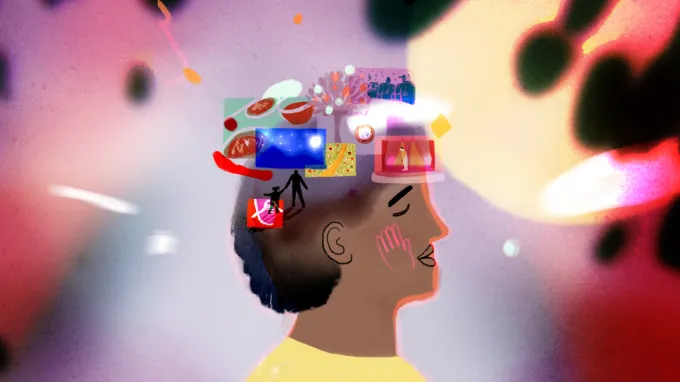
In fiction, photographic memories crack the case or save the day. But our brains can’t hold on to everything — and that’s a good thing.
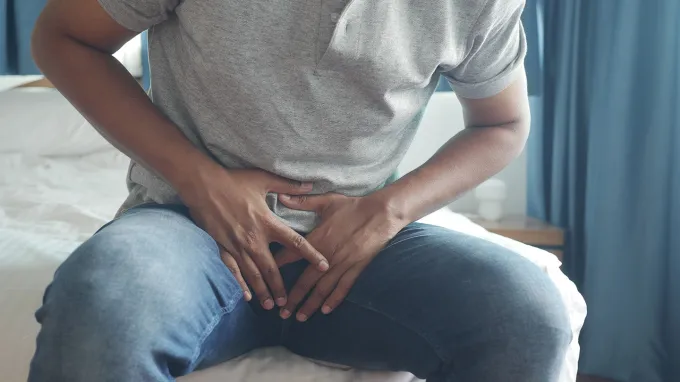
A sound wave–based therapy commonly used to dislodge kidney stones is gaining traction as a treatment for erectile dysfunction.
The lab-made cells open a window into what’s possible for synthetic life, researchers say.
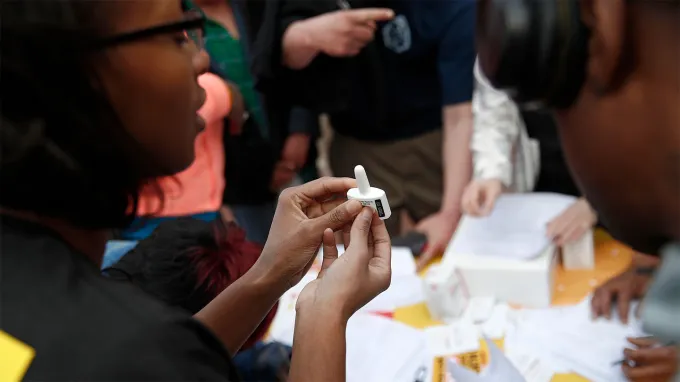
A majority of 8th-graders and roughly a third of 10th- and 12th-graders do not see great risk in using fentanyl once or twice, a study reports.
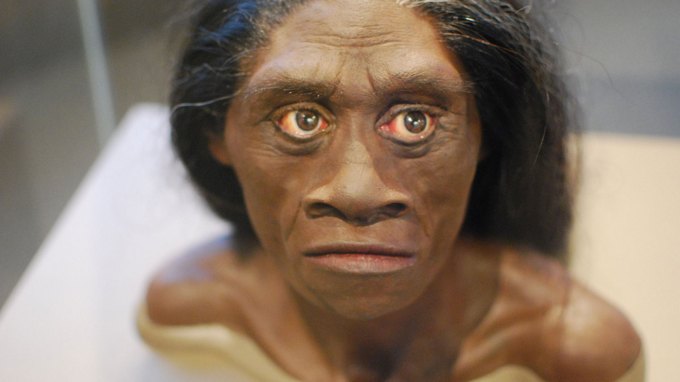
Homo floresiensis may have scavenged Komodo dragon leftovers instead of hunting small elephant relatives.
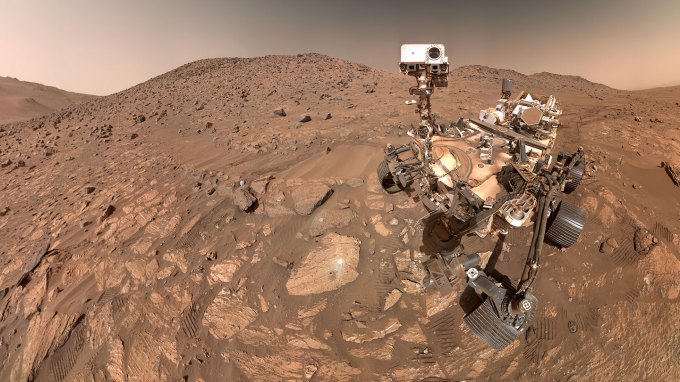
The organic molecules could come from life or from ordinary chemistry — only samples returned to Earth can settle it.
A whole-genome analysis of Beefalo, a hybrid bison-cattle breed, suggests very few individuals have any bison DNA at all, a new study reports.
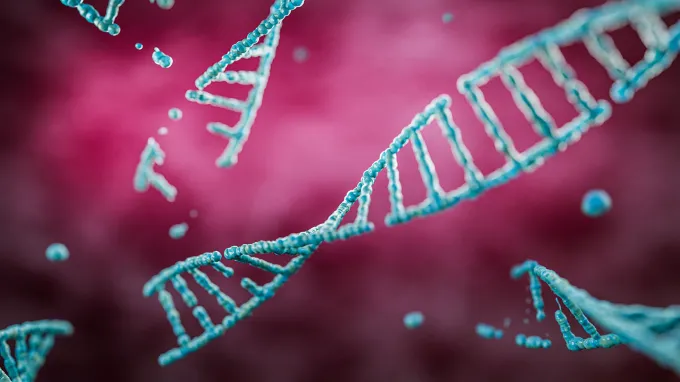
Newborn mice neurons can snap both DNA strands to migrate, then repair the breaks within a day. The process may be a normal part of brain development.
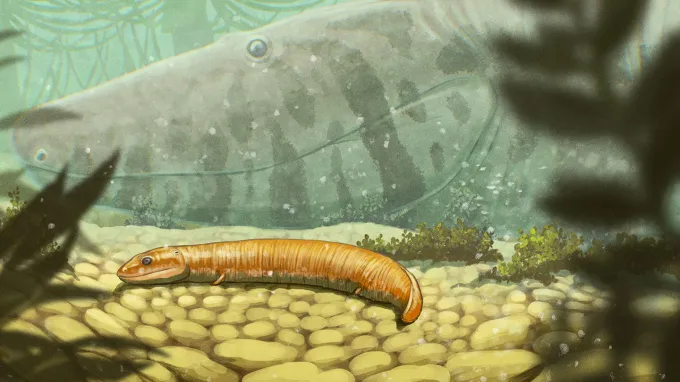
Three species that lived about 308 million years ago challenge the idea that the first land vertebrates underwent amphibian-like metamorphosis.
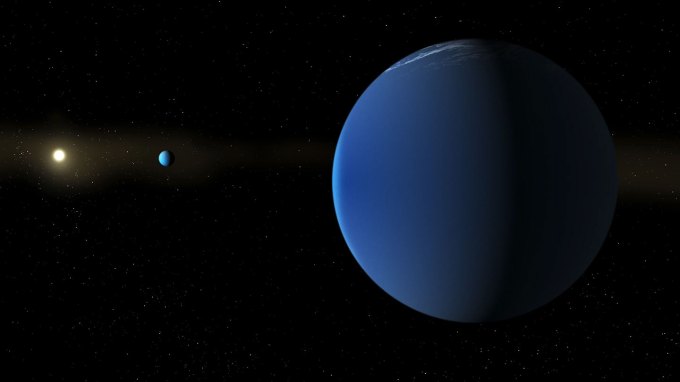
Two “superpuff” planets orbiting a sunlike star over 1,000 light-years from Earth are as big as Jupiter and as dense as cotton candy.
A scientist, a jar of pickles and a power strip walk into a room. The punchline involves physics, glowing condiments and a scientific party trick.
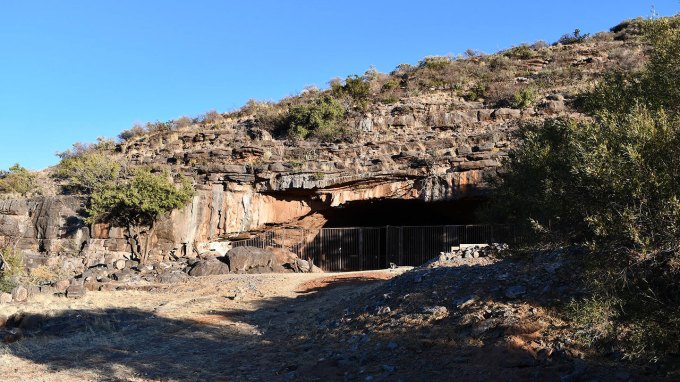
Archaeologists have unearthed new evidence that indicates hominids used fire up to 1.79 million years ago.
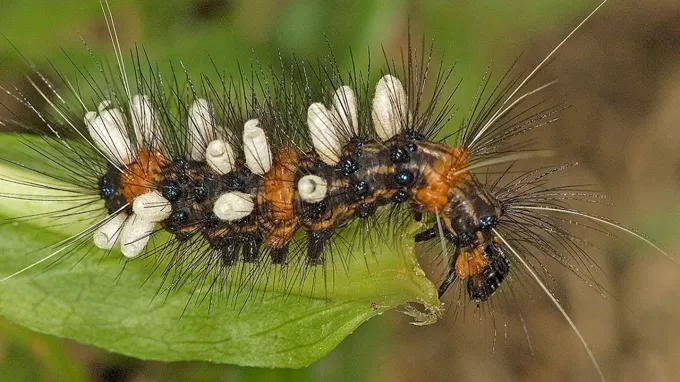
New calculations suggest that the insect species inhabiting our planet may be double or triple previous estimates.
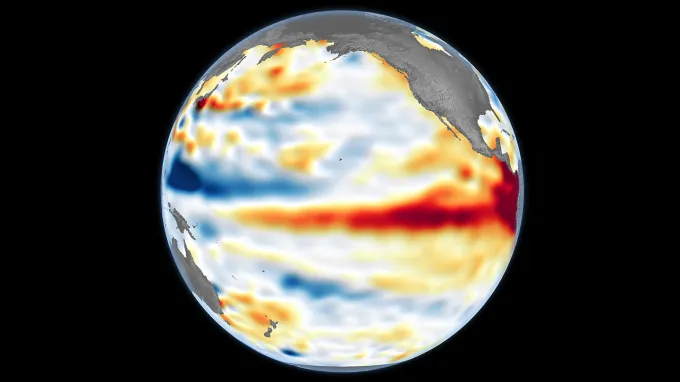
Marine cloud brightening could cool part of the Pacific and weaken extreme El Niños, simulations suggest. But the approach could have risks.
New AI models are accelerating the game of cat-and-mouse as cybersecurity experts try to keep ahead of would-be hackers. An AI expert explains the risks.
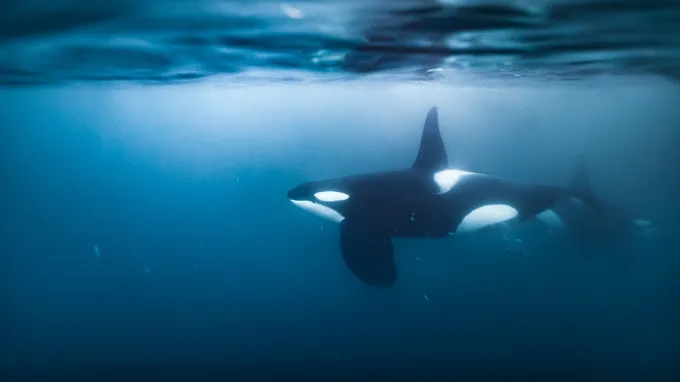
This strategy expands orcas’ already broad repertoire for dispatching different types of prey.
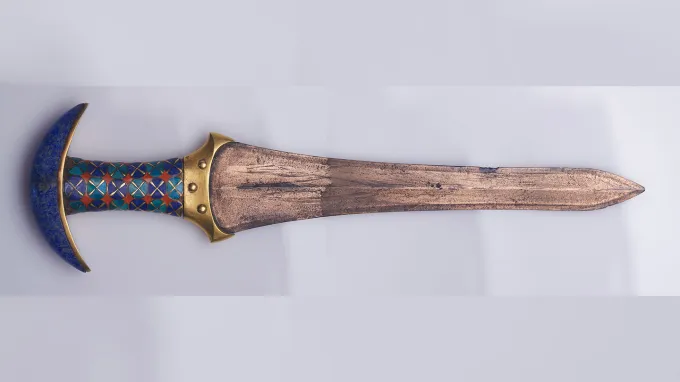
Analysis of six mummies from ancient Egypt challenges the idea that the bows and daggers buried with some royal women were merely ceremonial.
Solve the crossword from our September 2026 issue, in which we celebrate some creature features.