2,571 results
2,571 results for: Cats
-
2011 Science News of the Year: Genes & Cells
Nicolle Rager Fuller Boons and busts via gut microbes Studying the secret lives of bacteria living in human intestines has yielded some unexpected finds. One study suggests that most humans have one of three different combinations of friendly microbes (SN: 5/21/11, p. 14), and another reveals that people’s mix of microbes depends heavily on diet. […]
-
2011 Science News of the Year: Life
Multicellular life from a test tube In less than two months, yeast in a test tube evolved from single-celled life to bristly multicellular structures. The new, snowflakelike forms act like multicellular organisms, reproducing by splitting when they reach large sizes and evolving further in response to harsh conditions, William Ratcliff of the University of Minnesota, […]
-
Mixed Results
Having the right blend of animal personalities can make or break a group
-
Himalaya Rush
Scientists scurry to figure out the status of glaciers on the roof of the world
- Life
Scent Into Action
Rodent responses to a whiff of predator may offer clues to instinct in the brain.
- Tech
Beginnings of Bionic
Electronics that bend with the human body may soon make their way into medical devices to track health, deliver treatments and improve surgery.
-
- Health & Medicine
Little Mind Benders
Parasites that sneak into the brain may alter your behavior and health.
- Tech
The 3-D Printing Revolution
Using a technique known as 3-D printing, regular people can now make goods typically produced in huge quantities in factories overseas.
- Animals
In the Eye of the Tiger
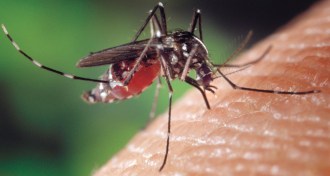
Global spread of Asian tiger mosquito could fuel outbreaks of tropical disease in temperate regions.
-
- Animals
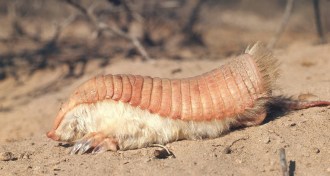
Pink armadillos ain’t your Texas critters
It’s a real animal, the smallest armadillo species in the world. At about 100 grams, it would fit in your hands.