Search Results for: GENE THERAPY
Skip to results
1,063 results
1,063 results for: GENE THERAPY
-
Gene therapy grows bone in mice and rats
A new gene therapy tested in rodents regrows bone by transforming skin and gum cells into bone-making cells or into cells that mass-produce a molecule called bone morphogenetic protein-7, which induces bone growth.
-
- Health & Medicine
Enzyme Shortage May Lead to Lupus
Without the enzyme DNase I, mice are vulnerable to symptoms of lupus, a debilitating autoimmune disease.
-
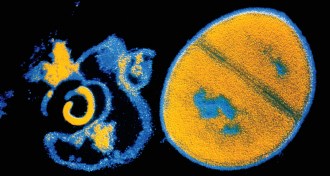
Wash that mouth out with bacteria!
Genetically engineered bacteria may stop tooth decay by replacing the ones in the mouth that destroy tooth enamel.
- Health & Medicine
Boning Up
Biologists have discovered a mechanism for communication between two types of bone cell, and they're exploring the possible bone-growth-stimulating effect of popular cholesterol-lowering drugs called statins.
- Genetics
Cloning-like method targets mitochondrial diseases
Providing healthy ‘power plants’ in donor egg cells appears feasible in humans, a new study finds.
- Neuroscience
Mind to motion
Brain-computer interfaces promise new freedom for the paralyzed and immobile.
- Health & Medicine
Old drug, new tricks
Metformin, cheap and widely used for diabetes, takes a swipe at cancer.
- Psychology
The addiction paradox
Addiction is often seen as a chronic disease that requires maintenance treatment even after years of sobriety. But even without help, most addicts eventually can quit for good.
- Health & Medicine
Unsolved drugs
Long thought to launch precision attacks against bacteria, antibiotics may also cause lethal collateral damage, according to a controversial theory. Exploring how these compounds kill may reveal new ways to fight antibiotic resistance.
- Life
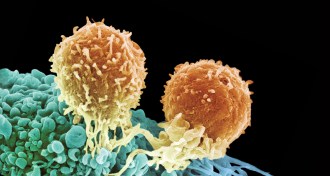
Designer T cells emerge as weapons against disease
Decades of attempts to boost the immune system’s ability to fight disease are finally starting to pay off. Reprogrammed T cells serve as new weapons against cancer and autoimmune diseases.
- Health & Medicine
NO News
Preliminary research suggests that inhaled nitric oxide may offer a much-needed treatment for patients suffering from complications of sickle cell disease.