Life
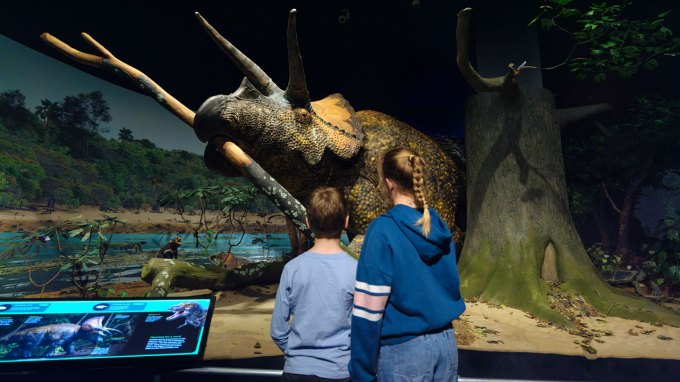
A new dinosaur doomsday exhibit showcases survival after destruction
The American Museum of Natural History’s “Impact: The End of the Age of the Dinosaurs” examines how an asteroid impact shaped life as we know it.
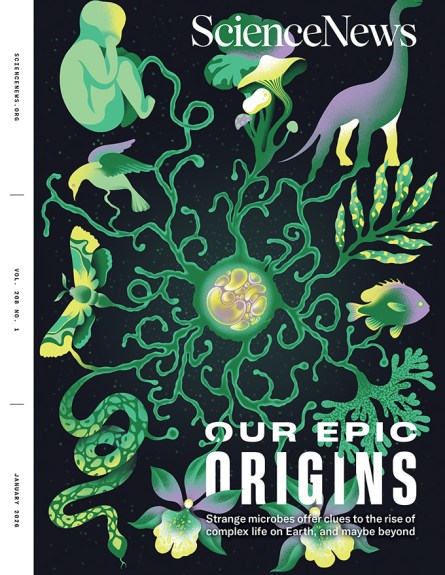
The tiny pantheon known as the Asgard archaea bear traits that hint at how plants, animals and fungi emerged on Earth.
The American Museum of Natural History’s “Impact: The End of the Age of the Dinosaurs” examines how an asteroid impact shaped life as we know it.
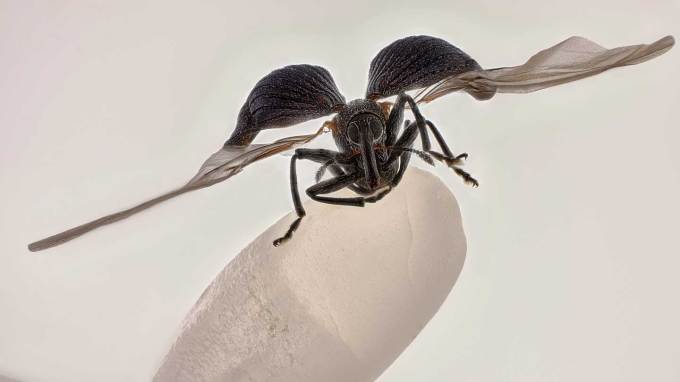
From fluorescent ferns to sprawling neurons, this year’s winning photos reveal the structures and artistry of life seen through a microscope.
Bragging rights and an adrenaline rush aren’t the only reasons to start the year with a frigid swim. A dip in icy water builds resilience.

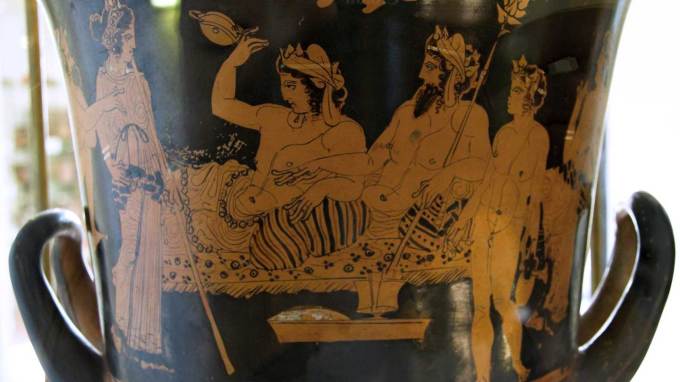
As evidence of alcohol's harms mounts, some people are testing out sobriety. Look to ancient civilizations' ways for a reset, scholars suggest.
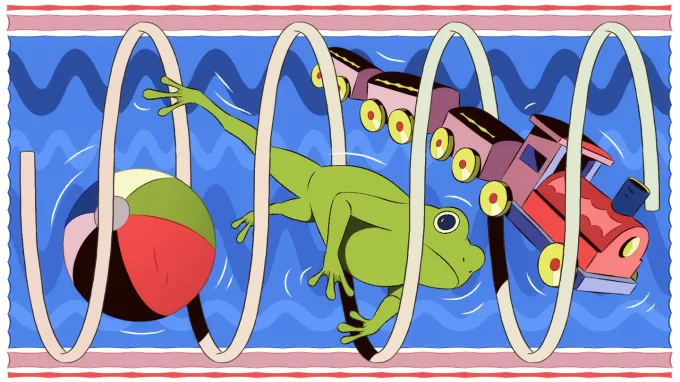
It’s possible to defy gravity using sound waves, magnets or electricity, but today’s methods can’t hoist heavy items high in the sky.
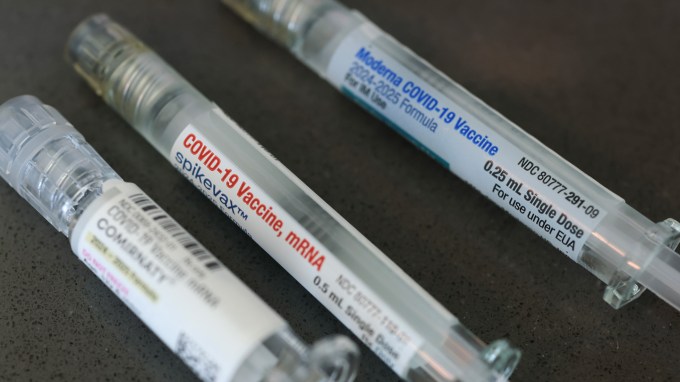
Cancer patients who got an mRNA COVID vaccine within a few months of their immunotherapy lived longer than those who did not, health records show.
The drug enlicitide reduced cholesterol for adults with high levels due to an inherited disorder and may also work for a broader population.
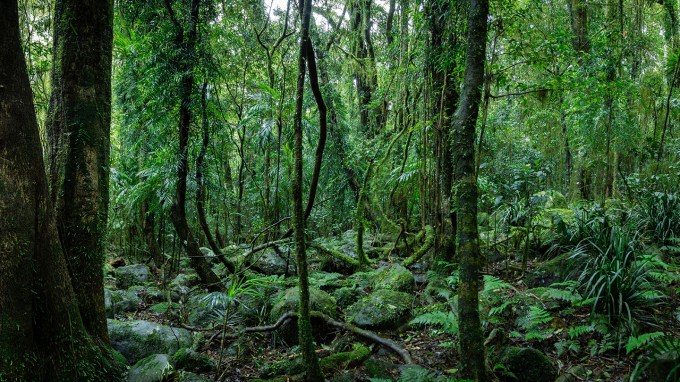
These tropical forest CO₂ emissions may warn of similar shifts in other regions, a key topic for COP30 climate talks in Brazil.
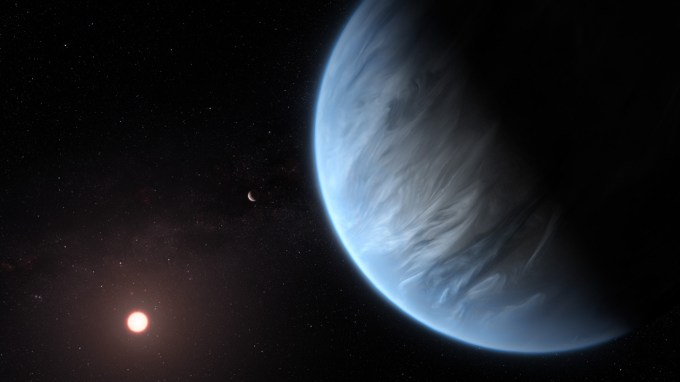
Tests on olivine hint that water-rich exoplanets could generate H2O internally, possibly explaining ocean worlds and even some of Earth’s early water.
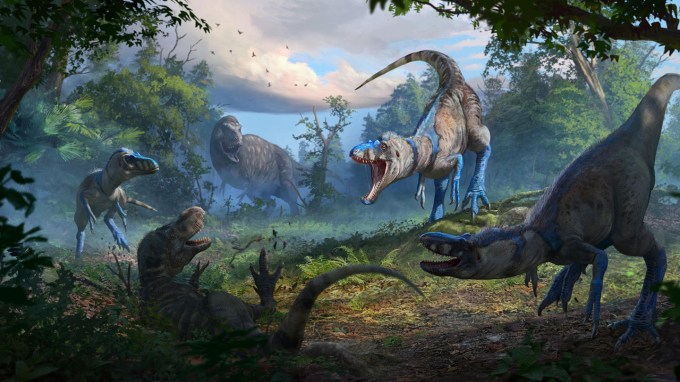
A new Nanotyrannus fossil suggests the diminutive dino lived alongside T. rex in the late Cretaceous Period.
From blaming the victim to replying "I have no interest in your life" to suicidal thoughts, AI chatbots can respond unethically when used for therapy.
At an effective temperature of 13 million kelvins, the jiggling glass sphere could help scientists understand physics at the microscale.
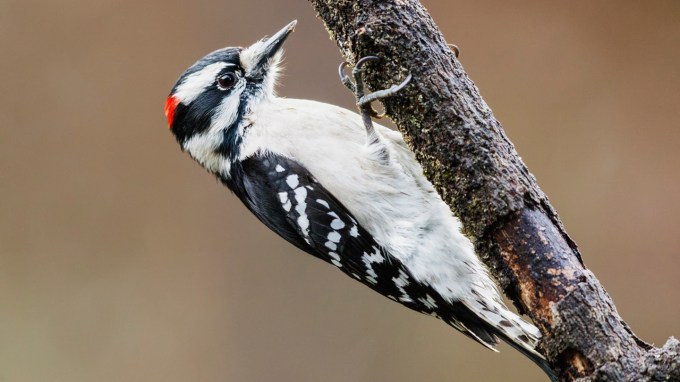
The birds grunt like tennis pros when generating their rat-a-tat, a performance strategy that may help stabilize core muscles.
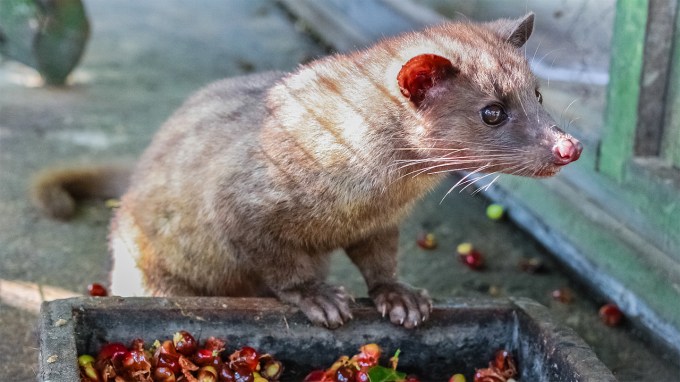
Pricey civet coffee gets its cred from its journey through the mammal’s gut, which changes the content of fat, protein, fatty acids — and even caffeine.
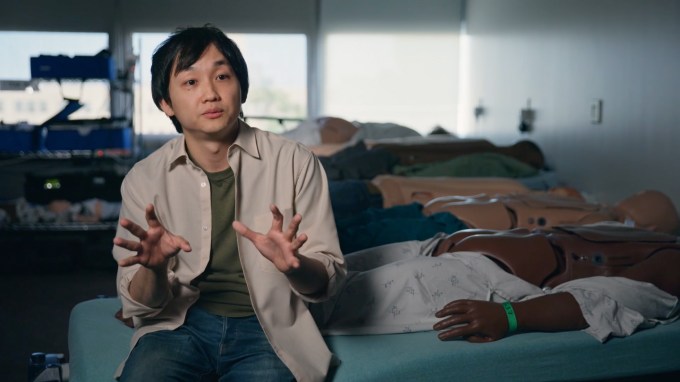
Takanori Takebe’s strange investigation into whether humans can use the gut for breathing has surprisingly sentimental origins: helping his dad.
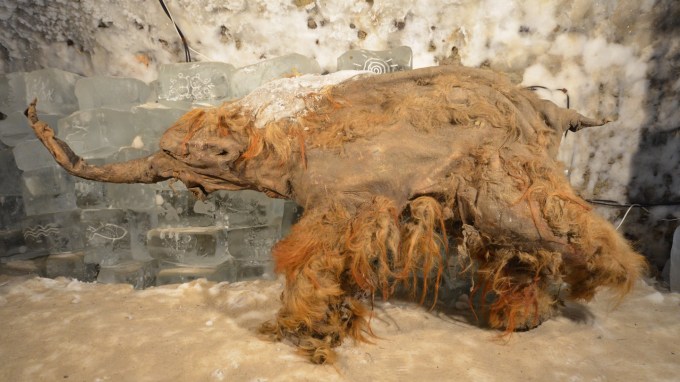
Ancient RNA from Yuka, a 40,000-year-old woolly mammoth preserved in permafrost, can offer new biological insights into the Ice Age animal’s life.
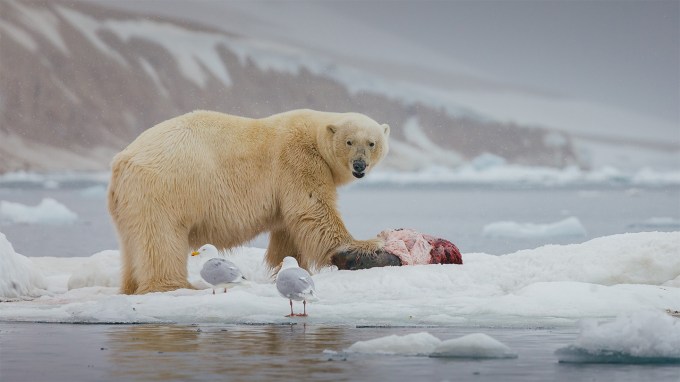
A new study shows how much food polar bears leave behind — and how their decline threatens scavengers across the Arctic.
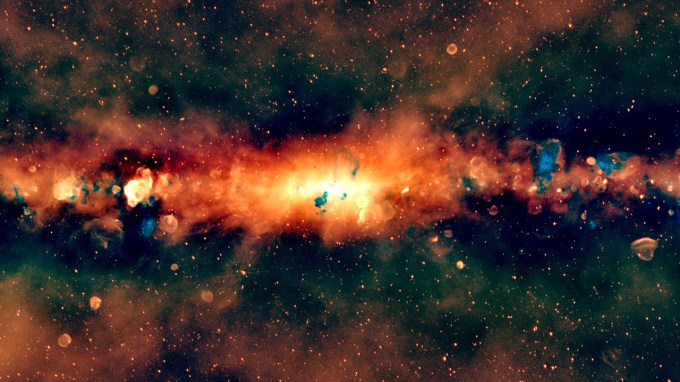
Supernova remnants, stellar nurseries and more populate the new edge-on view of the Milky Way as seen from Earth’s southern hemisphere.
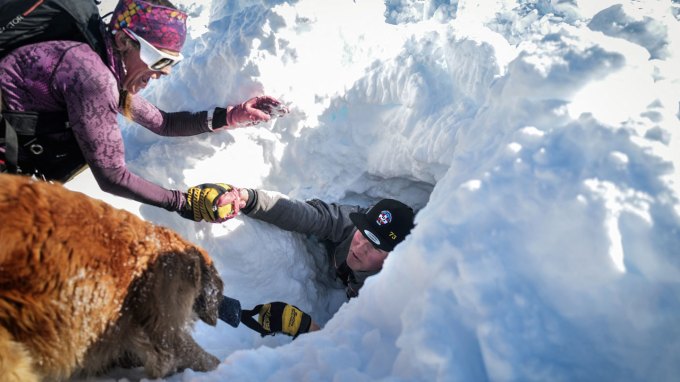
A safety device helped maintain a buried person’s oxygen levels for up to 35 minutes, tests show, buying crucial time for an avalanche rescue.
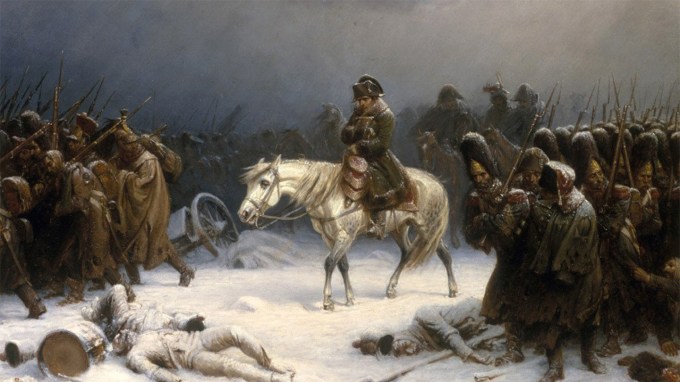
DNA from Napoleonic soldiers’ teeth uncovered two fever-causing bacteria that may have worsened the army’s fatal retreat from Russia.
Solve the crossword from our January 2026 issue, in which we take a crack at geological principles