Plants
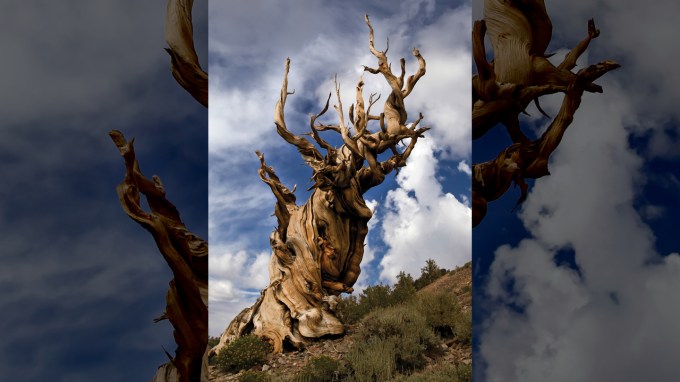
'In Botanical Time' explores the ways Earth’s oldest plants cheat death
Author Christopher Woods unpacks the science behind ancient plants’ longevity in a new book.
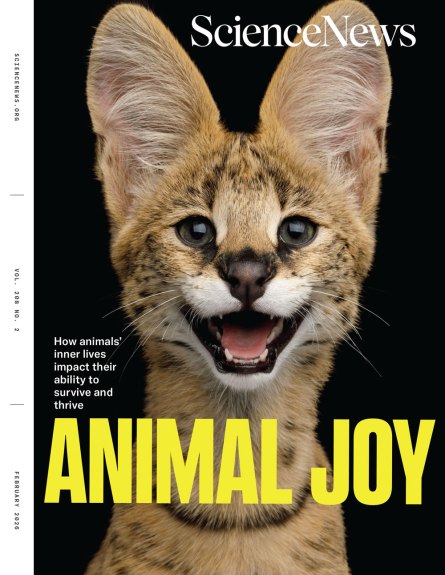
Scientists have long focused on quantifying fear and other negative emotions in animals. Now they’re trying to measure positive feelings — and it’s a challenge.
Author Christopher Woods unpacks the science behind ancient plants’ longevity in a new book.
A compilation of 100 examples of biological tilings shows how repeated natural motifs enhance strength, flexibility and other key functions.
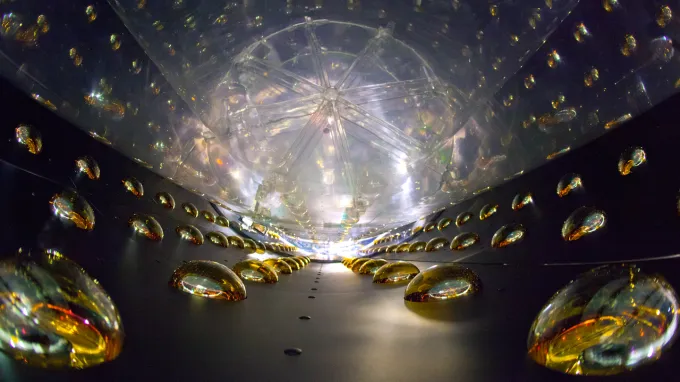
Neutrinos have kept scientists on their toes in the decades since they were discovered.

Cosmology and quantum physics both offer tantalizing possibilities that we inhabit just one reality among many. But testing that idea is challenging.
A small study finds that individualized prehab can dampen harmful immune responses and may reduce complications after an operation.
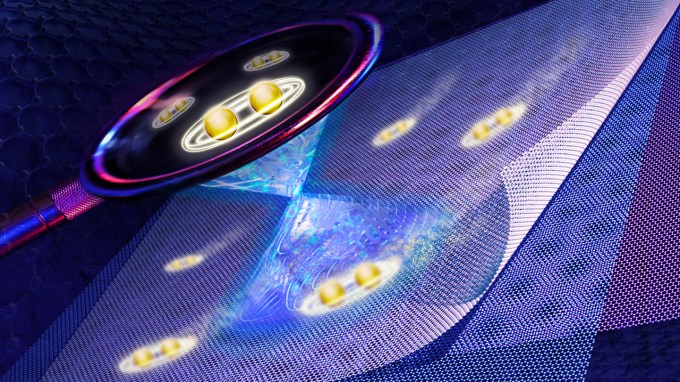
“Magic-angle” graphene may provide new clues into poorly understood unconventional superconductors, which operate at higher-than-normal temperatures.
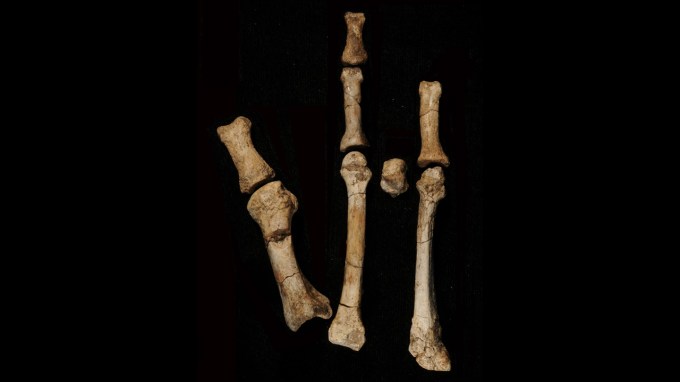
Foot bones and other fossils have been attributed to Australopithecus deyiremeda, a recently discovered species that may shake up the human family tree.
A microphone on NASA’s Perseverance rover recorded the sounds of electrical discharges generated by dusty gusts.
The moss species Physcomitrium patens is the latest organism to survive an extended stay in the vacuum and radiation of space.
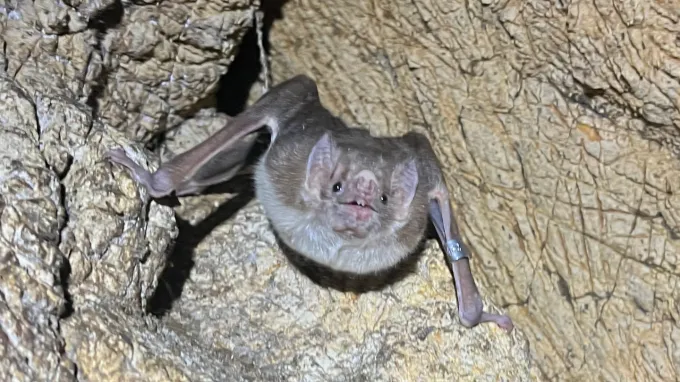
Finding that vampire bats along Peru’s coast carried H5N1 antibodies raises concerns that multiple bat species could become reservoirs for the virus.
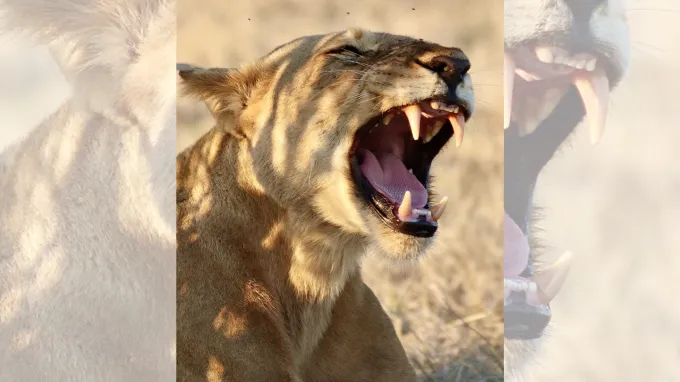
A machine learning analysis of wild lion audio reveals they have two roar types, not one. This insight might help detect where lions are declining.
Managing diabetes with injections is challenging. Joining insulin to a skin-penetrating polymer was as effective as shots at regulating blood sugar.
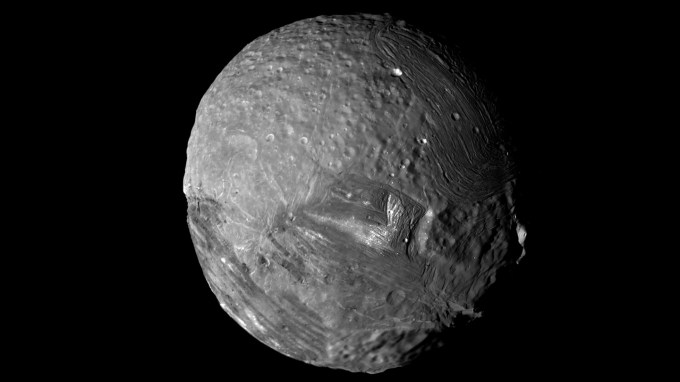
Simulations show that subsurface oceans on small moons may hit boiling conditions, potentially creating features like Miranda’s distinctive ridges.
Math and physics explain the anguish of a golf ball that zings around the rim of the hole instead of falling in.
Some of the earliest images ever taken in the wake of massive star’s death give astronomers important clues about what triggers a supernova.
People with Gulf War Illness found relief from migraines after a month on a low-glutamate diet, hinting at a new way to ease symptoms.
Cats were domesticated in North Africa, but spread to Europe only about 2,000 years ago. Earlier reports of “house” cats were wild cats.
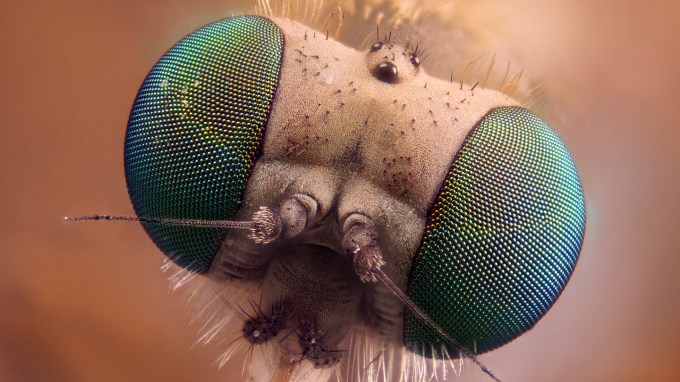
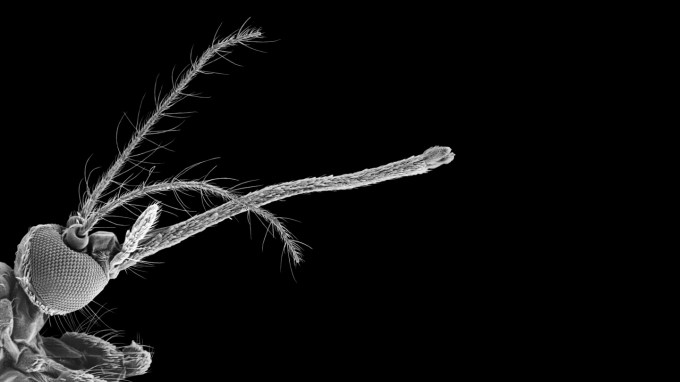
A mosquito proboscis repurposed as a 3-D printing nozzle can print filaments around 20 micrometers wide, half the width of a fine human hair.
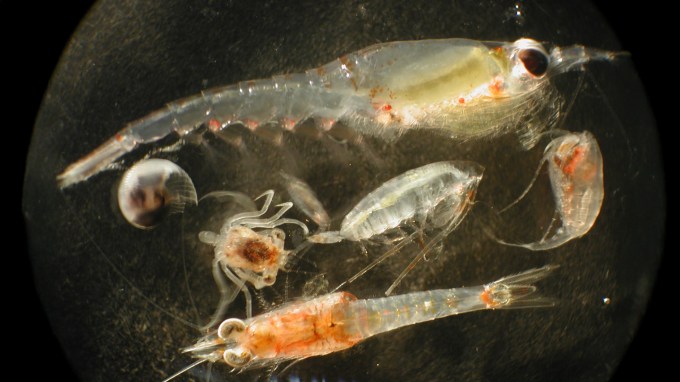
An analysis of mining plumes in the Pacific Ocean reveals they kick up particles sized similarly to the more nutritious tidbits that plankton eat.
Solve the math puzzle from our February 2026 issue, where we plan a return passage for a robotic explorer that doesn’t want to explore.