Artificial Intelligence
- Artificial Intelligence
Real-world medical questions stump AI chatbots
Subtle shifts in how users described symptoms to AI chatbots led to dramatically different, sometimes dangerous medical advice.
- Archaeology
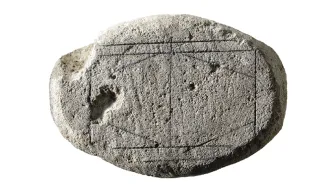
AI helps archaeologists solve a Roman gaming mystery
Researchers used AI-driven virtual players to test more than 100 rule sets, matching gameplay to wear patterns on a Roman limestone board.
- Artificial Intelligence
AI models spot deepfake images, but people catch fake videos
A new study finds that humans and AI spot different kinds of deepfakes — hinting at the need to team up to fight them.
- Genetics
AI tool AlphaGenome predicts how one typo can change a genetic story
The tool helps scientists understand how single-letter mutations and distant DNA regions influence gene activity, shaping health and disease risk.
- Tech
This detached hand robot has a thing for skittering on its fingertips
The robot can bend, grasp and carry in ways humans can’t, which could help it navigate spaces too confined for human arms.
- Artificial Intelligence
A quantum trick helps trim bloated AI models
Machine learning techniques that make use of tensor networks could manipulate data more efficiently and help open the black box of AI models.
- Artificial Intelligence
A look under the hood of DeepSeek’s AI models doesn’t provide all the answers
A peer-reviewed paper about Chinese startup DeepSeek's models explains their training approach but not how they work through intermediate steps.
- Psychology
Chatbots spewing facts, and falsehoods, can sway voters
Chatbots that dole out fact-laden arguments can sway voters. Those facts don’t have to be true.
- Artificial Intelligence
Chatbots may make learning feel easy — but it’s superficial
People who use search engines develop deeper knowledge and are more invested in what they learn than those relying on AI chatbots, a study reports.
- Animals
AI eavesdropped on whale chatter. It may have helped find something new
Some “clicks” made by sperm whales may actually be “clacks,” but marine biologists debate what, if anything, that means.
- Artificial Intelligence
As teens in crisis turn to AI chatbots, simulated chats highlight risks
From blaming the victim to replying "I have no interest in your life" to suicidal thoughts, AI chatbots can respond unethically when used for therapy.
- Chemistry
A new AI technique may aid violent crime forensics
An AI tool trained on chemical signatures from corpse-eating insects may help determine time and place of death for victims of violent crimes.