Uncategorized
- Health & Medicine
Hollywood-made science documentary series comes to TV
Breakthrough series gives a closer look at scientists at work.
- Animals
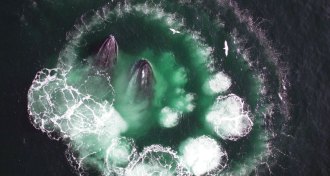
‘Whalecopter’ drone swoops in for a shot and a shower
Whale biologists are monitoring the health of whales using drones that snap photos and then swoop in to sample spray.
- Neuroscience
Multitaskers do worse on tasks that require focus
Multitasking is more likely to impair teens’ focusing ability than improve it, study testing attention skills finds.
- Animals
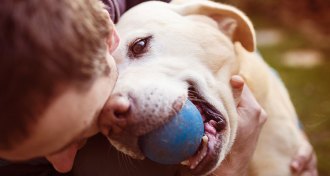
DNA trail leads to new spot for dog domestication
A new study suggests that dogs were first domesticated in Central Asia.
- Life
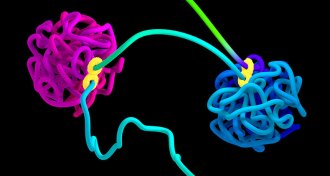
Genetic tweaks manipulate DNA’s loops
Scientists have changed the loops and curls of DNA as it packs into a nucleus.
- Earth
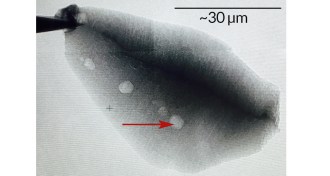
4.1-billion-year-old crystal may hold earliest signs of life
New evidence suggests that life on Earth arose before 4.1 billion years ago, 300 million years earlier than previous estimates.
- Animals
Slow, cold reptiles may breathe like energetic birds
Finding birdlike air patterns in lungs of crocodilians and in more distantly related lizards raises the possibility that one-way airflow evolved far earlier than birds themselves did.
- Chemistry
Zippy videos teach chemistry behind everyday life
The American Chemical Society breaks down complex reactions of everyday life in zippy online video clips.
- Neuroscience
Signs of Huntington’s show up in the brain in childhood
Hints of Huntington’s disease show up in the brain long before symptoms do.
- Animals
Marine biologist chronicles a lifelong love of fishing
In A Naturalist Goes Fishing, a marine biologist takes readers on a round-the-world fishing expedition
-
- Paleontology
New evidence weakens case against climate in woolly mammoths’ death
Hunters responsible for woolly mammoths’ extinction, suggests a chemical analysis of juveniles’ tusks.